
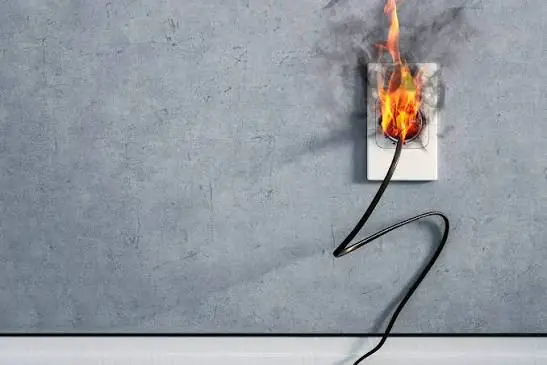
Most homeowners do not think about their wiring until something forces the issue. A flickering light, a breaker that trips too often, or an outlet that feels warm to the touch.
But wiring quietly affects two things every single day: how safe your home is and how much you are paying to run it.
If your home was built before the 1990s and has not had an electrical update since, there is a good chance the wiring is working against you in both areas.
What Counts as Old Wiring?
Not all older wiring is automatically dangerous, but certain types raise real concerns. Knob and tube wiring, common in homes built before the 1950s, lacks a ground wire and was never designed to handle modern electrical loads.
Aluminum wiring, used mostly in homes built during the 1960s and 1970s, is prone to loosening at connection points over time, which creates a fire risk that copper wiring does not share.
Even standard copper wiring from several decades ago can develop brittle insulation, worn connections, or capacity limits that were never an issue when the home was originally built.
How Does Old Wiring Create Safety Risks?
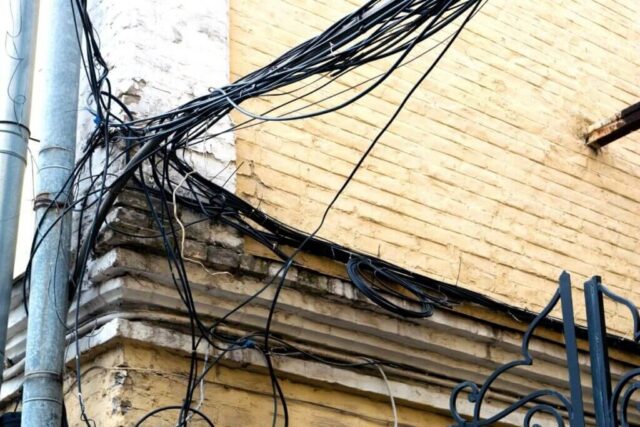
The biggest concern with aging wiring is heat. Loose connections, degraded insulation, and overloaded circuits all generate heat in places you cannot see, inside walls, behind outlets, above ceilings.
Over time, this heat buildup is one of the leading contributors to electrical fires in older homes. It rarely happens all at once. Instead, small issues compound over years until a connection finally fails at the wrong moment.
Warning signs are often subtle. Outlets that feel warm, a persistent burning smell near a panel, lights that dim when an appliance turns on, or breakers that trip for no obvious reason. Any of these on their own might seem minor, but together they usually point to wiring that is struggling to keep up.
Why Does Old Wiring Waste Energy?
Safety gets most of the attention, but old wiring also affects your energy bill in ways that are easy to miss. Resistance increases as wiring ages, meaning more electricity gets lost as heat before it even reaches your appliances.
Outdated wiring also tends to pair with outdated panels, which were not built to distribute power efficiently to the appliances homes rely on today. A furnace, a couple of televisions, kitchen appliances, and phone chargers running at once puts far more strain on a decades old system than it was ever designed for.
The result is a home that uses more energy than it should just to deliver the same amount of usable power, with some of that excess showing up as a higher bill every month.
How Does Old Wiring Affect Grounding and Electrical Protection?
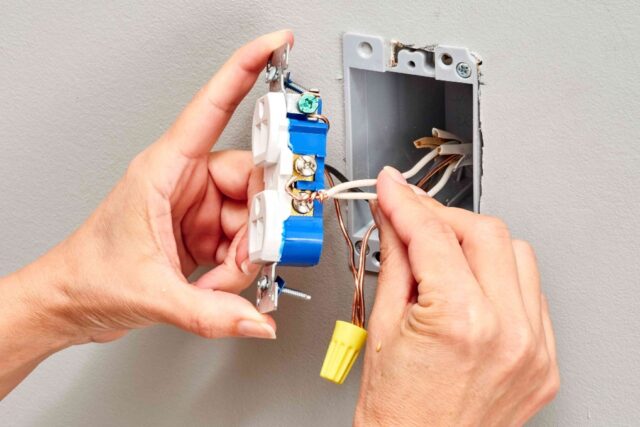
Older electrical systems may also lack proper grounding or modern safety devices designed to protect people and equipment. Ungrounded outlets can increase the risk of electric shock and may leave computers, televisions, and other sensitive electronics more vulnerable to electrical faults.
Older homes may also have limited GFCI or AFCI protection, which is now commonly used to reduce risks in kitchens, bathrooms, bedrooms, and other areas. Updating these protections does not always require rewiring the entire house. In some cases, targeted electrical upgrades can improve safety significantly while helping bring the system closer to current standards.
When Should You Get an Inspection?
A general rule worth following is that homes with wiring older than 25 to 30 years benefit from a professional inspection, even without obvious symptoms. Waiting for a visible problem often means the issue has already been developing for a while.
Homeowners in the Fenton area working with an experienced electrician in fenton mo can get a clear picture of their wiring’s actual condition, rather than guessing based on the home’s age alone. A proper inspection looks at panel capacity, wire type, insulation condition, and grounding, giving you a full sense of what needs attention now versus what can wait.
This is especially worth doing before buying an older home, adding major appliances, or noticing any of the warning signs mentioned earlier.
What Does Rewiring Actually Involve?
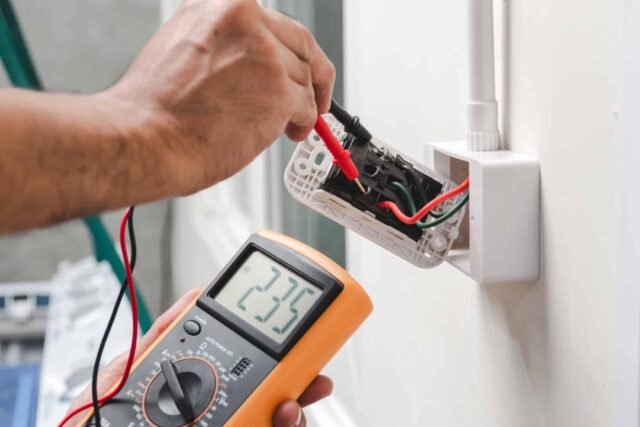
Full rewiring sounds bigger than it usually needs to be. In many cases, an electrician can prioritize the areas of highest concern first, like a kitchen with heavy appliance use or a section of the home still running on knob and tube wiring.
A typical process starts with an assessment of the current system, followed by a plan that addresses the most urgent safety issues first. From there, work often happens in phases, especially in occupied homes where minimizing disruption matters.
Panel upgrades frequently go hand in hand with rewiring, since old wiring is often paired with a panel that cannot support modern demands anyway. Addressing both together tends to be more efficient than tackling them separately down the line.
Can You Improve Energy Use Without a Full Rewire?
Not every home needs a complete rewiring project right away. Smaller updates can still make a real difference. Replacing outdated outlets, adding dedicated circuits for major appliances, and correcting loose connections all reduce wasted energy without requiring a full system overhaul.
That said, these smaller fixes work best as part of a plan rather than a one off repair. An electrician who understands the full condition of your wiring can tell you which updates offer the most benefit now and which ones are worth budgeting for later.
Final Thoughts
Old wiring rarely announces itself clearly until there is a real problem, which is exactly what makes it worth checking proactively. The safety risks are serious, and the slow drain on your energy bill adds up more than most homeowners realize.
A proper inspection gives you clarity instead of guesswork, and it puts you in a much better position to plan updates on your own timeline rather than reacting to an emergency.