Corsica’s food is unapologetically rustic, a mix of French finesse and mountain stubbornness. You can taste its independence in every smoky slice of charcuterie and every spoonful of chestnut soup.
The best meals aren’t found in ossy resorts or seafront cafés with laminated menus, but in tucked-away auberges, local markets, and the family-run bistros where the chef still calls you “mon ami.”
Key Highlights
- Local cuisine blends French and Italian influences with island traditions.
- Best dishes include wild boar stew, brocciu cheese, and chestnut desserts.
- Authentic food is found inland, not only along the coast.
- Local markets and mountain villages serve as culinary goldmines.
- Pair meals with Corsican wines like Patrimonio or Ajaccio.
The Soul of Corsican Cuisine

Corsican food tells a story of resourcefulness. Long before tourism, locals lived between sea and mountains, crafting recipes based on what nature offered. The result is a cuisine built on simplicity, flavor, and pride.
You’ll find wild boar slow-cooked in red wine, trout caught in mountain streams, and brocciu, a soft sheep’s cheese that finds its way into both savory and sweet dishes. Olive oil is everywhere, pressed from ancient groves that dot the hillsides. And every village seems to have its own version of figatellu, the island’s signature smoked sausage made with pork liver and garlic.
Did you know?
Corsican charcuterie is protected by AOP status (Appellation d’Origine Protégée), meaning it must be made on the island from local pigs fed on chestnuts and herbs.
Coastal Tables: Where the Sea Meets the Stove
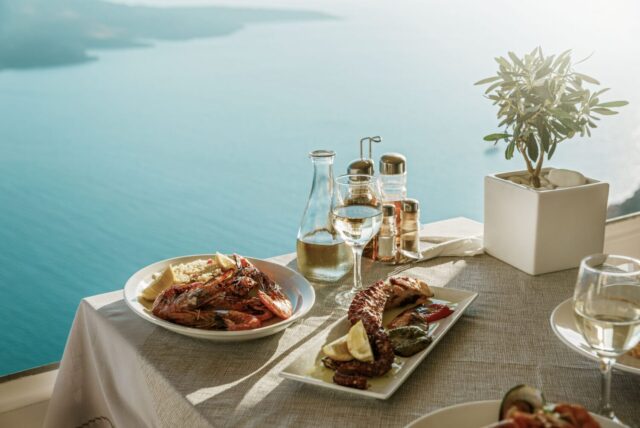
While mountain food defines the island’s heart, the coast adds a lighter note, sea bass grilled over olive wood, sea urchins cracked open on the spot, and pasta tossed with langoustines in creamy brocciu sauce. The best part? You’ll rarely find identical recipes; each seaside chef adds a family twist.
Many travelers combine local dining with a day yacht charter south of France. It’s an easy leap from the Riviera to Corsica’s northern ports like Calvi or Saint-Florent – where dockside restaurants serve seafood so fresh it’s practically still shimmering.
Top picks along the coast:
- Le Bout du Monde, Bonifacio – Cliffside dining with honest flavors and unbeatable views.
- U Spuntinu, Calvi – A locals’ favorite for fresh fish and chilled rosé.
- Le Vieux Port, Bastia – Traditional plates served by the harbor, ideal for people-watching with a glass of Patrimonio wine.
Mountain Villages: The True Taste of Corsica
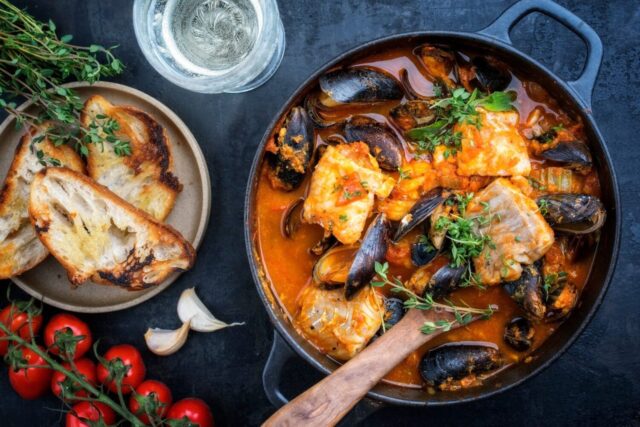
The further inland you go, the more authentic the food becomes. In the stone-built villages around Corte, Zonza, or Sartène, meals are still cooked the old way, over wood fires, with recipes passed down through generations.
| Must-Try Mountain Dishes | Description |
| Civet de sanglier | Wild boar stew slow-braised in red wine and herbs |
| Pulenta | Chestnut flour polenta often served with grilled meats |
| Brocciu fritters | Savory pastries filled with fresh sheep cheese |
| Veau aux olives | Veal simmered with olives and tomatoes |
| Fiadone | A light lemon cheesecake made with brocciu |
The experience isn’t about refinement. It’s about warmth. You might share a long wooden table with strangers and find yourself laughing over homemade myrtle liqueur by the end of the night.
Market Mornings and Artisan Producers
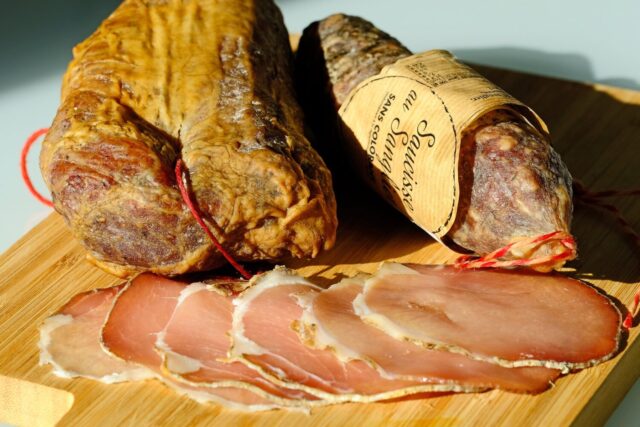
Corsica’s morning markets are a festival of smells, herbs, cheese, honey, and wild boar salami hanging in the air. Ajaccio, Bastia, and Porto-Vecchio each host markets where vendors sell their own olive oil or jars of chestnut jam.
Look for small labels that read Produit Corse. They mark the island’s fiercely independent producers who keep their operations local and their quality uncompromised. If you’re unsure what to buy, follow the scent of roasting chestnuts or the longest line of locals, both are reliable signs of something worth tasting.
Market highlights to visit:
- Ajaccio Market (Place Foch): Known for figatellu, goat cheeses, and local honey.
- Bastia Market (Place du Marché): Great for olive oils and wines.
- Porto-Vecchio Market: Best for pastries and sweet chestnut products.
Wineries and Cheese Farms Worth the Detour
Corsican wines are like the island itself, bold, aromatic, and often misunderstood. Vineyards around Patrimonio, Ajaccio, and Sartène grow native grapes like Niellucciu and Sciaccarellu that thrive in the island’s mineral soil.
Combine your tasting with a stop at a nearby cheese farm. Many are open to visitors and offer rustic meals featuring their own produce. You’ll often end up sitting in the owner’s backyard, under vines heavy with grapes, sipping rosé while a shepherd’s dog naps nearby.
Tip:
Visit wineries early in the day before the summer heat sets in. Many small producers close during midday hours.
Modern Twists on Old Recipes
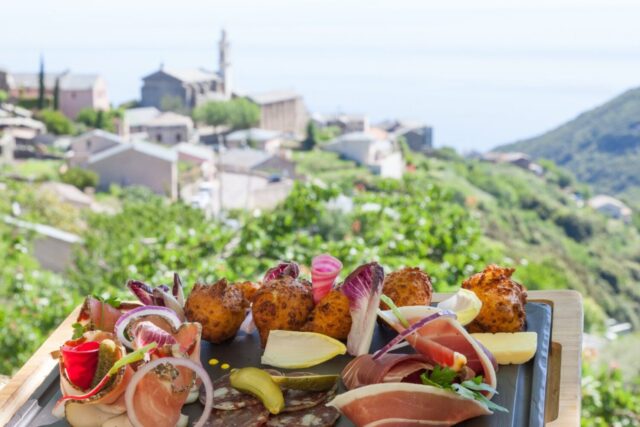
Corsican chefs are increasingly reimagining traditional dishes without losing their roots. In towns like Bonifacio or Ajaccio, you’ll find menus that pair civet de sanglier with truffle foam or chestnut ravioli with sea urchin sauce. It sounds indulgent, and it is, but the essence remains true: island ingredients, simply elevated.
Restaurants like A Mandria di Pigna or Le Goeland bridge the gap between old and new, proving that authenticity doesn’t mean resisting change. It means knowing what should never be changed, the respect for local farmers, fishermen, and foragers who make every meal possible.
Savoring the Island One Bite at a Time
To find the most authentic food in Corsica, skip the guidebook’s “Top 10” and follow your senses instead. Listen for clinking glasses behind a wooden door, follow the smoke of a roadside grill, or accept that spontaneous invitation from a villager who insists you “just try” his homemade figatellu.
Corsican food isn’t about presentation. It’s about connection, between land and sea, between people and tradition, and between you and the place you’ll keep tasting long after you’ve gone.