Architecture has always been about precision. Even the smallest miscalculation can lead to costly errors, project delays, or structural risks.
Today, architects are increasingly turning to digital twins and 3D modeling tools to make their planning more accurate, efficient, and collaborative.
These technologies bridge the gap between concept and construction, giving teams better insights into how a project will perform before a single brick is laid.
Key Points
- Digital twins allow architects to simulate real-world conditions and predict project performance.
- 3D modeling tools improve collaboration and reduce errors in design and planning.
- These technologies save costs by detecting issues early in the process.
- Converting hand sketches or photos into digital formats accelerates workflows.
- Clients benefit from clearer visualizations, making decisions faster and more informed.
The Growing Importance of Digital Twins in Architecture
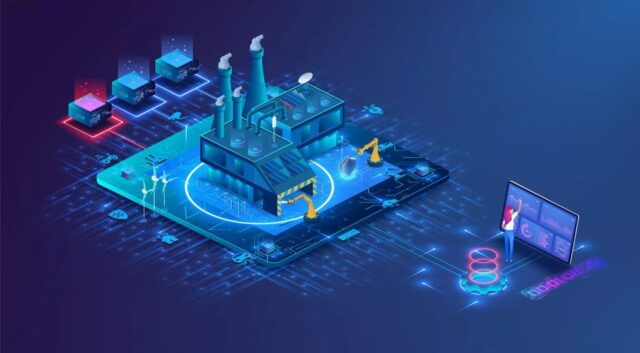
A digital twin is a virtual replica of a building or infrastructure that reflects its physical state in real time.
This isn’t just a 3D model, but a living system that integrates design data, IoT sensors, and performance analytics. For architects, it changes the way projects are designed and monitored.
By simulating energy use, ventilation, lighting, and structural behavior, digital twins reveal how a building will function long before construction begins.
This makes it possible to optimize designs for sustainability, efficiency, and long-term usability.
For example, an architect designing a hospital can test how air circulation flows in patient rooms, ensuring safety standards are met even before the HVAC system is installed.
The result is more accurate planning, fewer changes during construction, and buildings that perform closer to expectations once completed.
From Concept Sketch to 3D Reality
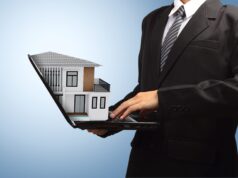
Architects often start with hand-drawn sketches that capture the essence of their ideas. However, turning these into actionable project plans requires digital precision. Tools that convert image to 3d formats, like 3DAi Studio, are becoming invaluable in this process.
They allow sketches, images, or even rough concepts to be transformed into detailed, navigable 3D models.
This capability doesn’t just save time, it also reduces misinterpretation. Clients, contractors, and engineers can interact with a visual representation that feels tangible.
A client reviewing a proposed office layout, for instance, can walk through it virtually and spot design adjustments before construction starts. That level of clarity can prevent expensive revisions down the line.
Enhancing Collaboration Across Teams
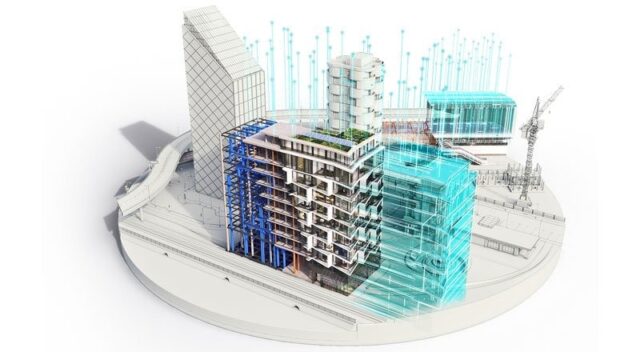
Modern projects rarely involve architects alone. Engineers, contractors, interior designers, and urban planners all contribute to the outcome. Traditional 2D blueprints often leave too much room for interpretation, which can result in communication breakdowns.
3D tools bring everyone onto the same page. With shared digital environments, teams can annotate models, run simulations, and coordinate in real time.
Cloud-based platforms even allow stakeholders across different geographies to access the same model simultaneously, ensuring consistency across the board.
This collaborative approach reduces duplication of effort, improves accountability, and helps keep projects aligned with deadlines and budgets.
Predicting and Preventing Costly Mistakes
Construction projects are notorious for cost overruns and delays. One of the main causes is late discovery of design flaws or site-related challenges. By leveraging 3D models and digital twins, architects can test multiple scenarios early in the process.
For example:
- Structural integrity checks ensure that materials chosen are appropriate for loads.
- Lighting simulations allow architects to optimize natural light and reduce reliance on artificial sources.
- Site modeling highlights potential conflicts with surrounding infrastructure.
The ability to anticipate issues during the design phase prevents expensive fixes later, making the technology not just useful but economically critical.
Improving Client Communication and Decision-Making
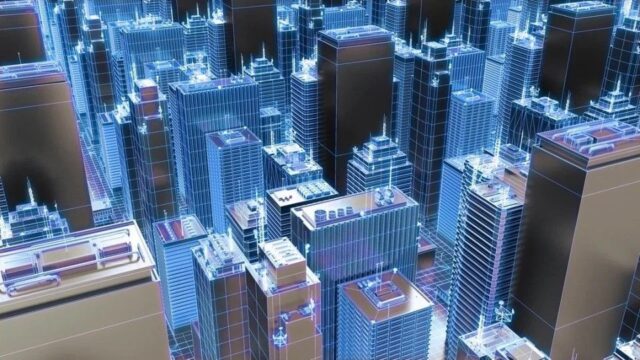
For most clients, reading blueprints or interpreting 2D layouts is challenging. Digital twins and 3D visualization tools make architectural concepts more intuitive.
Instead of asking clients to “imagine” the final outcome, architects can show them exactly what a finished space will look and feel like.
This immersive experience often leads to faster decision-making. Clients can visualize furniture arrangements, color schemes, or even traffic flows within a space.
They become active participants in the design process rather than passive reviewers, which strengthens trust and satisfaction.
Driving Sustainability Through Simulation
Sustainability is now a core part of modern architecture, and digital twins are vital in achieving this goal. By modeling energy consumption, carbon footprint, and renewable integration, architects can design buildings that align with green standards.
For instance, simulating solar exposure helps in positioning windows, shading devices, or solar panels more effectively. Similarly, digital models can test water efficiency systems, rainwater harvesting layouts, or insulation methods.
The result is not only environmentally responsible buildings but also long-term cost savings for occupants.
Future-Proofing Architectural Practice

As urban centers grow and building codes become stricter, architects face increasing pressure to deliver designs that are accurate, resilient, and adaptable. Digital twins and 3D modeling are no longer optional extras, but essential parts of a forward-thinking practice.
These tools integrate with Building Information Modeling (BIM) systems, smart sensors, and AI analytics, paving the way for a future where buildings are monitored and optimized throughout their lifecycle. Architects who embrace these technologies will be better positioned to lead projects that meet both current demands and future expectations.
Conclusion
Digital twins and 3D tools are redefining how architects approach project planning and development. They provide more accurate insights, enhance collaboration, and ensure clients have a clear vision of the outcome before construction begins. From reducing costs and mistakes to advancing sustainability goals, these technologies are now at the core of successful architecture.
In the years ahead, reliance on digital systems will only grow. Architects who adopt them today are not just planning buildings, they are shaping smarter, more efficient, and more sustainable environments for tomorrow.