
Electrical safety standards exist to protect people, property, and the systems that keep a home running, yet most homeowners have only a vague idea of what these standards actually involve.
Electricity feels so normal in daily life that many forget how powerful it is and how much structure is needed behind the scenes to keep everything stable and working well.
A good understanding of safety rules helps beginners recognize why certain precautions matter and how professional work differs from quick fixes.
These standards are not meant to complicate homeownership. They exist so electrical systems can support modern living without creating hidden risks.
Once people learn the basics, they begin to see their homes differently, noticing small details that contribute to a safer and more dependable environment.
The Purpose Behind Electrical Safety Standards
Electrical safety standards can feel technical at first, but their purpose is simple: to minimize hazards and keep electrical systems functioning the way they were designed to.
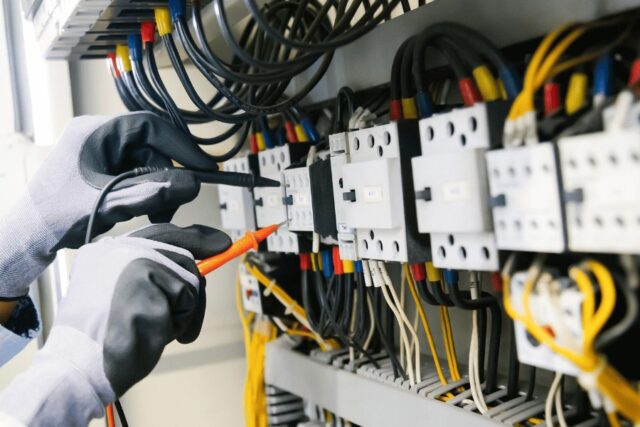
These standards act as a framework that guides professionals in wiring, grounding, installation, and maintenance practices. They make sure every part of the system works together in a stable, predictable way.
When homeowners understand why these rules exist, they begin to appreciate the difference between work that is merely convenient and work that is truly safe.
Standards protect against problems like overheating, electrical shocks, faulty wiring, or structural damage caused by poor installation. They also ensure that the home can handle increasing power demands without creating strain.
With this foundation, beginners can approach electrical care with more confidence and awareness.
How Professionals Use Standards to Protect the Home
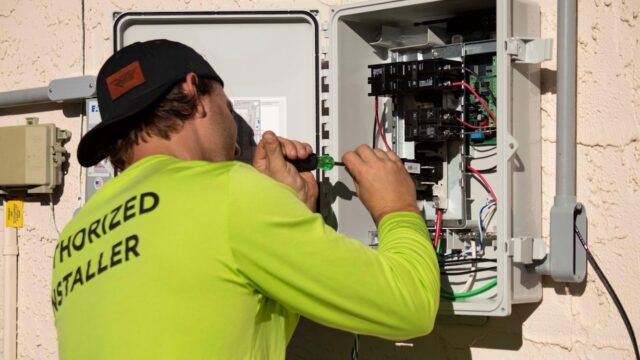
Electricians follow safety standards for every project, and their training centers on knowing how to apply those standards correctly in different situations.
A beginner might not recognize when something violates code, but a professional can see it immediately, which is why homeowners often rely on experts when making changes.
For example, an electrician in Chesterfield, MO would be expected to follow local codes as closely as national ones, since both are important for ensuring the system is up to date.
Professionals use standards to guide everything from the placement of outlets to the load capacity of circuits. This attention to detail protects the home in ways most people never see.
By following a consistent rule set, electricians create systems that run smoothly, resist common hazards, and support long-term safety.
How Standards Influence the Wiring Behind the Walls
The wiring hidden inside the walls is one of the most important parts of any electrical system, yet it is the part homeowners interact with the least.
Safety standards determine how these wires are routed, what materials are used, how connections are made, and how different circuits communicate with one another.
Proper wiring prevents overheating and reduces the chances of electrical faults. It also ensures that the system can deliver consistent power to every device in the home.
When wiring is done correctly from the beginning, it stays reliable for many years with minimal issues. Beginners who understand this quickly see why shortcuts can create long-term problems.
Safety standards make sure the foundation of the system is strong, so the entire home benefits from that stability.
The Role of Grounding in Preventing Electrical Hazards
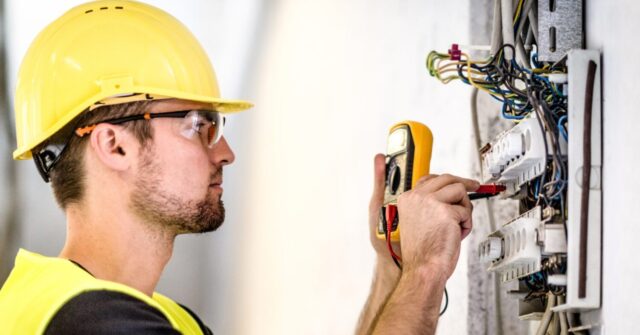
Grounding is one of the most critical aspects of electrical safety, and it is often misunderstood by beginners. Grounding provides a safe path for excess electricity to travel, especially during malfunctions or sudden surges.
Without proper grounding, electricity has nowhere to go, which increases the risk of shocks, damaged appliances, or fires.
Safety standards specify exactly how grounding must be installed and maintained to protect the home. Even the placement of outlets and the type of connectors used impact how well the grounding system works.
When homeowners learn how grounding supports the entire electrical structure, they begin to appreciate the importance of regular inspections and professional assessments.
This is one of the simplest yet strongest defenses against electrical dangers, and standards make sure it always functions correctly.
Understanding Circuit Breakers and Load Balancing
Circuit breakers act as the protective gatekeepers of the electrical system. Their job is to cut power when the system becomes overloaded, preventing wires from overheating and reducing the risk of electrical accidents.
Safety standards outline how breakers should be installed, what capacity they should have, and how circuits throughout the home should be balanced.
Many beginners do not realize that overloading a single circuit can cause more than just a temporary inconvenience. It can stress the wiring, damage appliances, or signal a deeper issue in the system.
Proper load balancing distributes power evenly, ensuring the home operates smoothly even when multiple appliances are running at the same time.
Standards help professionals design systems that handle modern demands without strain.
Why Outlet Placement and Design Matter for Safety
Outlets may seem simple, but their placement and design influence how safe and functional a home is. Safety standards determine where outlets must be located and what types should be used in different areas.
Kitchens, bathrooms, outdoor spaces, garages, and basements require outlets that prevent moisture-related hazards. These kind of guidelines prevent dangerous situations that might occur if water and electricity come too close together.
Outlet height, quantity, and spacing also contribute to safety by reducing the need for extension cords that can easily overload circuits.
A beginner who understands these requirements gains a clearer sense of how electrical systems are planned. This knowledge helps homeowners make better decisions when remodeling, adding appliances, or rethinking their living spaces.
Lighting Safety and the Importance of Proper Fixtures

Lighting does more than create atmosphere; it also plays a role in electrical safety. Poorly installed fixtures, old wiring, and incompatible bulbs can all create risks.
Safety standards outline how lighting should be installed, how fixtures must be connected, and what materials should be used to support long-term performance. Even the type of lightbulb matters because certain fixtures are not designed to handle excessive heat.
When lighting is chosen and installed correctly, it enhances visibility, reduces fire hazards, and extends the lifespan of the fixtures themselves.
Beginners often overlook these small details, but learning how lighting safety works helps them better understand the role professionals play. It also allows homeowners to choose fixtures that are not only beautiful but also compliant with important safety guidelines.
How Electrical Panels Support the Entire System
The electrical panel is the heart of the home’s power distribution, and safety standards heavily influence how it must be installed and maintained.
The panel determines how electricity flows into each circuit, how much load the home can handle, and how breakers respond when something goes wrong.
Standards specify panel capacity, layout, grounding requirements, and labeling to ensure everything is clear and functional.
When beginners understand how important the panel is, they become more aware of the signs that something may be outdated or unsafe.
A well-maintained panel keeps the system stable, supports new appliances, and reduces the likelihood of power interruptions. Knowing how it works gives homeowners a stronger sense of control over their electrical safety.
Inspections Help Keep Homes Up to Date With Modern Standards
Electrical standards evolve over time as technology improves and new safety insights emerge. This means older homes may have wiring or components that no longer meet current requirements.
Inspections help bridge that gap by identifying outdated features and recommending the changes needed to keep the home safe.
Professionals use inspections to evaluate wiring conditions, breaker performance, grounding quality, and overall system alignment with modern standards.
For beginners, inspections create clarity. They make it easier to understand how well the system is performing and which upgrades could prevent future problems.
This process brings a sense of reassurance because homeowners know their system is monitored, maintained, and continually aligned with the latest safety expectations.
The Difference Between DIY Fixes and Professional Work
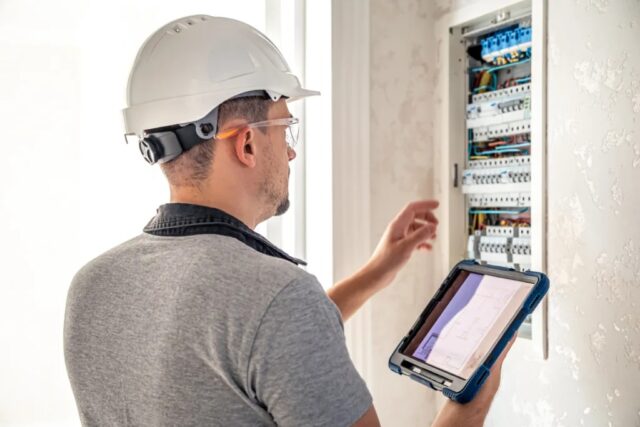
Many homeowners enjoy improving their homes themselves, but electrical work requires caution, experience, and a deep understanding of safety standards. A DIY fix that seems simple can unintentionally violate safety rules, which could create hazards down the line.
Professionals train extensively to recognize issues the average person cannot see, ensuring each repair or installation aligns with strict safety requirements. Beginners benefit from learning where their limitations are, especially when electricity is involved.
Understanding the difference between basic tasks and work that must be left to professionals helps protect the home and the people living in it. This knowledge builds respect for the complexity of electrical systems and reinforces why standards exist in the first place.
How Standards Shape Future Electrical Technology
Electrical safety standards are not only about maintaining current systems; they also guide the development of future technology. As homes become more dependent on advanced appliances, smart devices, and high-efficiency systems, safety regulations ensure that innovation aligns with stability.
Manufacturers design products to meet these standards, and professionals learn how to integrate them safely into the home.
Beginners who understand this connection gain a deeper appreciation for how carefully regulated the electrical world is. It shows that every device, wiring method, and panel update is part of a larger system designed to reduce risk and support a more reliable living environment.
Final Thoughts
Electrical safety standards give homeowners a clearer path toward creating a safer and more dependable living space.
They outline the best practices that keep wiring stable, appliances protected, and power flowing consistently throughout the home.
When beginners take the time to learn these guidelines, they gain more confidence in understanding how their electrical system works and when it needs professional attention.
Standards create structure, protect against hazards, and provide a foundation that supports future technology.
Whether someone lives in an older home or a newly built one, these rules ensure everyone receives the same level of protection. With this knowledge, homeowners can approach electrical maintenance with clarity and make choices that strengthen the long-term health of their home.