
Maintaining a clean and hygienic environment has never been more critical. Whether in healthcare, food service, education, or everyday commercial operations, proper sanitation is essential to protect public health.
However, even the most powerful sanitizers are only as effective as their concentration levels.
This is where sanitizer test strips play a vital role. These small but essential tools ensure that cleaning solutions are strong enough to kill harmful microbes without being so concentrated that they pose a hazard.
Understanding how these strips work and how to use them correctly can make the difference between effective disinfection and potential contamination.
Understanding Sanitizer Test Strips: The Science Behind the Clean

The Chemistry of Sanitizers: How They Work to Kill Germs
Sanitizers are designed to eliminate harmful microorganisms such as bacteria, viruses, and fungi.
Their ability to do so depends on their active ingredients, which may include alcohol, chlorine, hydrogen peroxide, or quaternary ammonium compounds (commonly known as quats). Each ingredient destroys germs in a unique way.
Alcohol, for instance, works by breaking down proteins and disrupting cell membranes, quickly deactivating pathogens.
Chlorine attacks the cell membrane and genetic material, effectively killing bacteria and viruses on contact.
The key to success lies in maintaining the right concentration of these ingredients. Too weak, and the sanitizer may be ineffective; too strong, and it can damage surfaces or cause irritation.
This is why accurate testing using sanitizer test strips is essential. These strips provide a simple and reliable way to ensure that sanitizers are mixed at the correct strength to achieve maximum germ-killing power safely.
Test Strip Technology: How Innovation Keeps Cleaning Effective
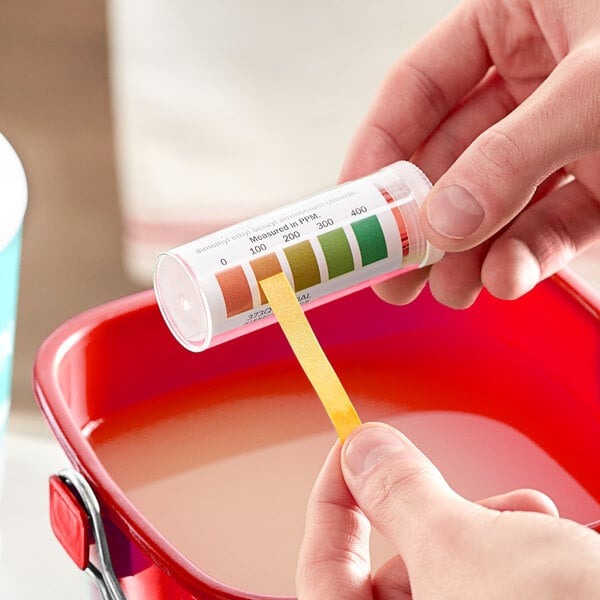
Sanitizer test strips are a modern innovation designed to make hygiene monitoring quick and accurate. Each strip is coated with special reagents that react chemically when dipped into a sanitizer solution.
The resulting color change corresponds to the sanitizer’s concentration level, which can be compared to a reference color chart for easy interpretation.
Different types of test strips are available depending on the sanitizer being used. For example, chlorine-based sanitizers require chlorine test strips, while quat-based products need quaternary ammonium test strips.
Modern advancements have made these tools more sensitive, durable, and user-friendly, allowing businesses to maintain hygiene standards with greater confidence.
The simplicity and reliability of this technology make test strips an indispensable part of every effective cleaning routine.
Why Measuring Sanitizer Concentration is Crucial for Safety
Measuring sanitizer concentration isn’t just a matter of following regulations; it’s about protecting people’s health.
A sanitizer that’s too weak can leave behind dangerous pathogens, potentially leading to outbreaks of illness. Conversely, overly strong sanitizers can cause chemical burns, respiratory issues, or food contamination.
Industries such as healthcare, hospitality, and food service are governed by strict hygiene standards set by organizations like the CDC, FDA, and OSHA.
Regularly using sanitizer test strips ensures compliance with these guidelines and promotes a safe, trustworthy environment for employees and customers alike.
By implementing consistent testing, facilities demonstrate their commitment to public health and build a reputation for reliability and care.
The Real Benefits of Using Sanitizer Test Strips
Protecting Public Health: Preventing Contamination and Disease
In today’s health-conscious world, maintaining strict hygiene standards is non-negotiable. Sanitizer test strips serve as a frontline defense against preventable infections.
Whether used in hospitals, schools, or restaurants, they help ensure that sanitizing solutions are performing effectively.
In hospitals, for instance, test strips help staff verify that disinfectants meet required concentrations to prevent healthcare-associated infections.
In schools, where germs spread rapidly among children, consistent testing helps reduce absenteeism and illness.
Regular monitoring promotes not only safety but also a sense of responsibility among staff and management, creating a culture of hygiene awareness that benefits everyone.
Cost-Effectiveness: Saving Money Through Accurate Measurements
Using sanitizer test strips isn’t just about safety; it’s also a smart financial move. By providing precise measurements, they prevent the overuse of sanitizing solutions, reducing unnecessary waste.
Many facilities inadvertently use excessive sanitizer concentrations, leading to wasted resources and potential surface damage. Accurate testing ensures that only the required amount of sanitizer is used, saving costs on cleaning supplies and extending the lifespan of equipment and surfaces.
Furthermore, avoiding overly concentrated solutions can prevent corrosion of cleaning tools and appliances, reducing long-term maintenance costs. In short, these small, inexpensive test strips can deliver big savings by promoting efficiency and sustainability in sanitation practices.
Trust, But Verify: Maintaining Hygiene Standards Through Regular Testing
Relying on assumptions about sanitizer effectiveness can lead to serious lapses in hygiene. Regular testing provides an objective way to verify that cleaning protocols are being properly followed.
Sanitizer test strips act as a simple yet powerful accountability tool. Routine checks ensure compliance with health and safety regulations, and documented testing records can serve as proof of diligence during inspections.
By fostering transparency and responsibility, regular verification builds trust among staff, customers, and regulatory bodies alike.
Facilities that consistently test and document sanitizer concentrations demonstrate a proactive approach to health management, strengthening confidence in their operations.
Navigating the Market: Choosing the Right Sanitizer Test Strips
Different Types of Test Strips: Selecting the Right One
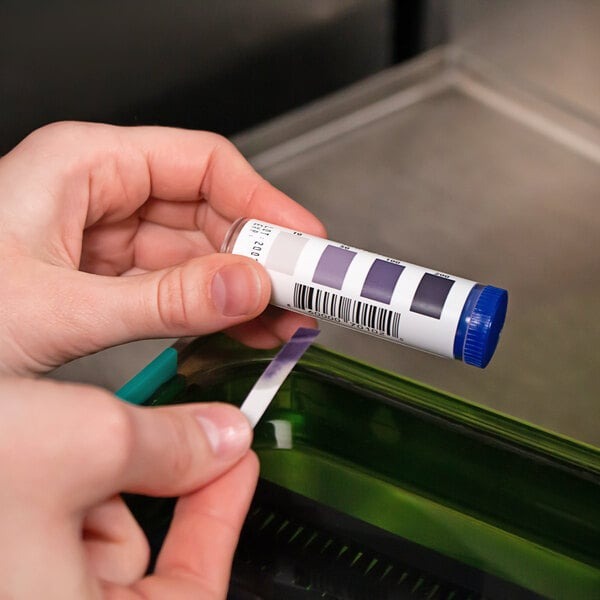
The right sanitizer test strip depends on the type of sanitizer being used. Chlorine-based sanitizers, commonly used in food service, require chlorine test strips that can measure available chlorine levels.
Quat-based sanitizers, often used in hospitals or commercial kitchens, need quaternary ammonium test strips. There are also strips available for hydrogen peroxide and iodine-based sanitizers.
Each test strip has a specific detection range, so it’s important to know the target concentration levels required for your sanitizer.
Consulting with suppliers or reviewing manufacturer guidelines can help ensure that the chosen test strips are suitable for your cleaning procedures.
Reading the Labels: What to Look for When Purchasing
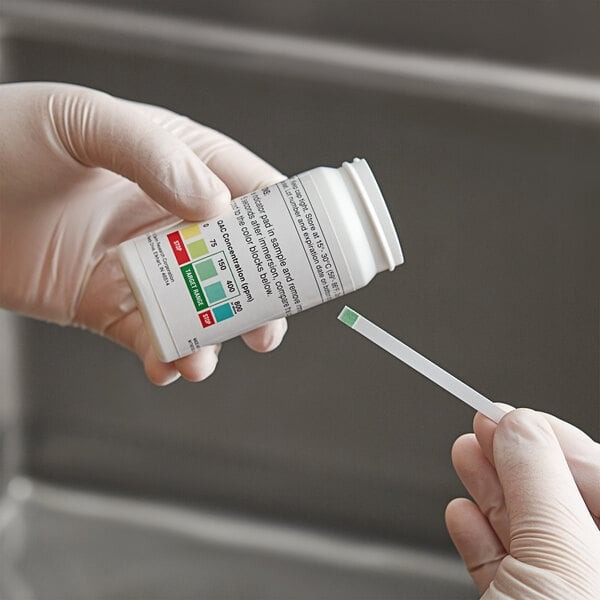
Not all test strips are created equal. When buying sanitizer test strips, carefully review the packaging and label details.
Key factors to check include the concentration range, expiration date, sensitivity, and storage requirements.
Some test strips feature color charts, while others use digital readers for more precise results.
Choose the option that best matches your facility’s needs and testing frequency. Additionally, look for third-party certifications to ensure the strips meet industry performance standards.
Purchasing the right product ensures both accuracy and reliability, helping your team maintain consistent hygiene monitoring practices.
Best Practices for Storing and Using Test Strips
Even the best test strips can produce inaccurate readings if mishandled or improperly stored. To preserve their effectiveness, store them in a cool, dry place away from direct sunlight and humidity.
Keep them in their original packaging until use and avoid touching the reactive pads with your fingers.
Follow the manufacturer’s instructions carefully, including dipping time and reading intervals.
Test strips that are expired or exposed to moisture may yield unreliable results, so routinely check expiration dates and replace them as necessary.
Consistent adherence to best practices ensures dependable readings and maintains high sanitation standards.
Implementing a Hygiene Strategy: Integrating Test Strips into Your Routine
Establishing a Testing Schedule
Creating a structured testing schedule ensures that sanitizer concentration is regularly verified throughout the day. Testing before opening, after peak activity periods, and at the end of the day helps maintain consistent cleanliness levels.
Recording test results at each interval also provides a valuable audit trail, making it easier to identify trends or recurring issues. A proactive testing schedule not only minimizes the risk of contamination but also reinforces a culture of hygiene accountability.
Training Staff: Building Knowledge and Accountability
A testing program is only as effective as the people executing it. Proper staff training is crucial to ensure that sanitizer test strips are used correctly.
Employees should understand how to conduct tests, interpret results, and take corrective actions when concentrations are too high or too low.
Hands-on training sessions, visual guides, and step-by-step instructions can help make the process simple and accessible for everyone. Empowering staff with knowledge fosters a sense of ownership and commitment to maintaining a clean and safe environment.
Tracking Results: Using Data for Continuous Improvement
Collecting and analyzing test results over time can provide insights that drive better hygiene management.
Keep a log of sanitizer readings, along with dates, times, and corrective actions taken when necessary.
Analyzing this data can reveal useful patterns, for example, identifying specific times when sanitizer strength tends to drop or pinpointing locations that require more frequent cleaning.
This information can help refine cleaning schedules, optimize sanitizer use, and improve training initiatives.
Continuous monitoring and analysis allow organizations to move from reactive cleaning to proactive hygiene management.
Final Thoughts

Sanitizer test strips may seem like a small part of the cleaning process, but their impact is substantial.
By ensuring that sanitizers are mixed at safe and effective concentrations, these tools protect public health, prevent waste, and reinforce trust in your hygiene practices.
Whether you’re managing a restaurant kitchen, healthcare facility, or school, incorporating sanitizer test strips into your cleaning routine is a simple yet powerful step toward maintaining a cleaner, safer environment.
With regular testing, proper training, and diligent record-keeping, your organization can achieve both compliance and peace of mind, one test strip at a time.