Creating a personal art portfolio is one of the most exciting and meaningful ways to showcase your work and growth as an artist. Whether you’re preparing to apply to art school, land freelance gigs, or just want to build something that reflects your creative journey, a portfolio is your visual story. And trust me — putting it together is easier (and more fun!) than it seems at first glance.
Key Highlights
- A personal art portfolio helps you present your style and skills clearly.
- Good organization makes your work shine, no matter the medium.
- Choosing the right pieces is just as important as creating them.
- Small details, like custom touches, can make your portfolio memorable.
- Both digital and physical portfolios have their place — don’t be afraid to mix.
- The goal is to reflect you and your unique creative voice.
Why an Art Portfolio Matters More Than You Think
I know — you might be wondering, “Why all the fuss over a portfolio when my art should speak for itself?” But here’s the truth: no matter how talented you are, how you present your work can shape how people see it.
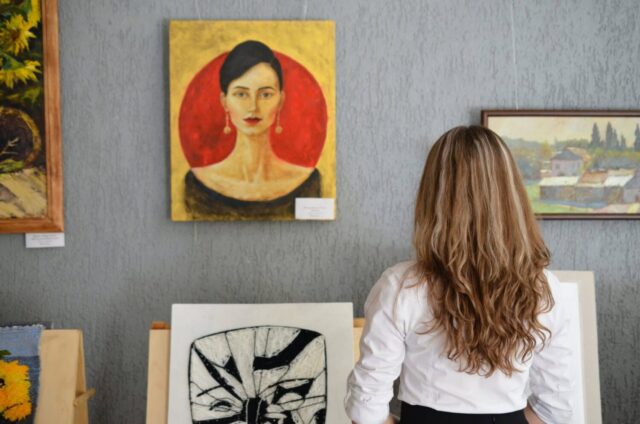
Your portfolio isn’t just a collection of pieces. It’s a curated experience that tells people who you are as an artist.
When you take the time to thoughtfully compile your work, you show that you care about your craft. You also make it easier for viewers — whether they’re gallery owners, potential clients, or admissions officers — to connect with what you do.
Gather Your Best Work: Quality Over Quantity
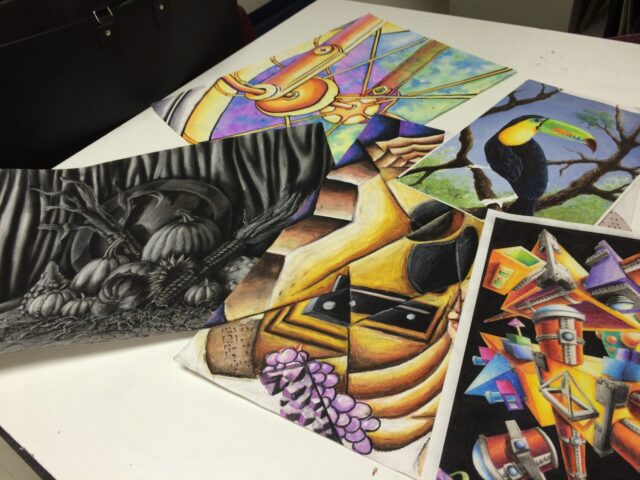
This is where many artists (myself included, when I first started) overthink things. It’s tempting to pack your portfolio with every piece you’ve ever made, but trust me: less is more. Aim for 10 to 20 strong pieces that highlight your versatility and personal style.
Here’s a tip:
- Include a mix of media if that reflects your practice — painting, drawing, digital art, sculpture.
- Sequence your pieces in a way that tells a story or shows progression.
A good portfolio leaves people wanting to see more, not overwhelmed by too much.
Add Personality With Creative Details
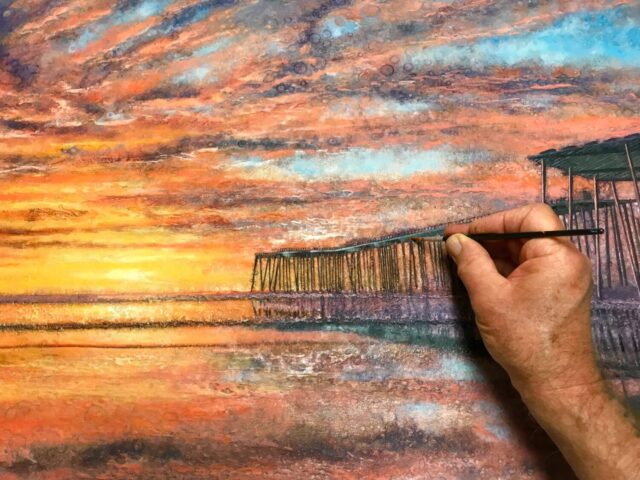
Once you’ve selected your artwork, think about how to give your portfolio that extra spark. I’ve found that adding small, personal elements can make your presentation unforgettable. One idea I love is including custom keepsakes alongside your work — things that represent your style in a tangible way.
For example, you could design an acrylic keychain featuring a miniature version of one of your pieces. Not only is this a fun, creative touch, but it can also act as a memorable leave-behind item at exhibitions or interviews. People love little details like this — they can make your portfolio stand out in a sea of sameness.
Digital or Physical Portfolio? Do Both if You Can
Choosing between a digital and physical portfolio depends a lot on your goals. A digital portfolio is essential these days — it’s easy to share, and most clients and schools will expect one. But don’t underestimate the power of a beautifully assembled physical version.
Digital portfolio tips:
- Use clean, easy-to-navigate layouts.
- Make sure images are high resolution and properly cropped.
- Keep file sizes reasonable for easy loading.
Physical portfolio tips:
- Use archival-quality prints and papers.
- Invest in a sturdy, stylish portfolio case.
- Pay attention to the order of your work — first and last pieces should be your strongest.
The truth? Having both shows you’re thoughtful and prepared for any opportunity.
Organize Your Portfolio
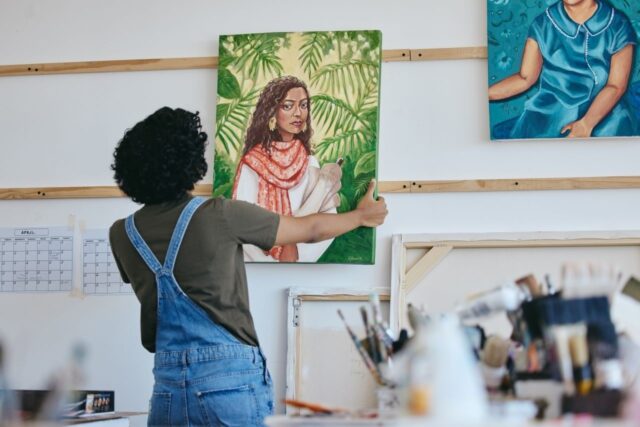
Think of your portfolio as a visual conversation. How do you want that conversation to flow? Group similar works together, but add variety so things don’t feel repetitive. I always recommend starting with a standout piece that grabs attention right away.
Here’s a structure that can work:
- Opening piece – Something bold that defines your style.
- Mixed works – Show versatility but keep a natural flow between pieces.
- Personal favorites – Art that means something special to you, even if it’s less polished.
- Closing piece – Leave viewers with a lasting impression.
A quick note: include titles, dates, mediums, and a short description or thought behind the work when appropriate. It adds depth and context without overwhelming.
Update Regularly and Keep Evolving
Your portfolio isn’t something you create once and forget. It should grow and change as you do, reflecting your current skills and style.
I like to set aside time every few months to review mine, adding fresh work, removing pieces that no longer feel like my best, and making sure everything still tells my story the way I want it to. Don’t feel tied to older work just because it once felt important. Updating your portfolio is about showing who you are now, not who you were.
When new opportunities come up, like applying for a gallery show or a freelance project, it’s worth tailoring your portfolio to suit that specific audience. A selection that’s customized for the occasion always stands out more than a one-size-fits-all approach.
And if you’re feeling creative, try experimenting with themed mini-portfolios or collections built around a particular series or concept. The point is to keep it fresh, flexible, and truly yours.
Extra Tips to Make Your Portfolio Shine
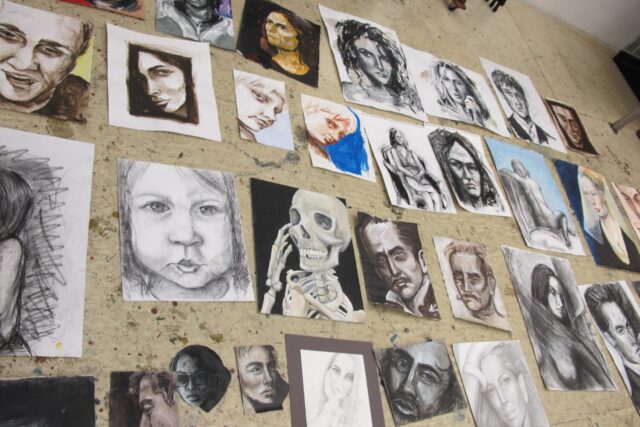
Sometimes, the small things can make the biggest difference. Here are a few final suggestions that I swear by:
- Write a short artist statement at the start. Just a paragraph about who you are and what drives your work. Keep it authentic.
- Get feedback from mentors, peers, or even supportive friends. Fresh eyes catch things you might miss.
- Proof everything — typos in titles or messy layouts can distract from your art.
- Be mindful of colors and backgrounds when presenting your work. Let the art be the focus.
Final Thoughts
Creating a personal art portfolio might feel like a big task at first, but it’s really an opportunity to reflect on your journey and present your work in the best light. When done thoughtfully, it’s more than just a collection — it’s a celebration of your creativity.
So take your time, enjoy the process, and let your portfolio tell your unique story. And remember: it’s yours. There’s no single “right” way to build it, as long as it feels true to you.