Great hair doesn’t happen by accident. While most people invest in quality products and tools, it’s often small, everyday habits that quietly undermine even the best intentions. From overusing heat to choosing styles that don’t suit your hair type, these common hairstyling mistakes can lead to dullness, breakage and frustration. The good news? They’re all fixable.
So with this mind, here are the most frequent hairstyling missteps — and, more importantly, how to avoid them for healthier, more polished results.
Using Heat Without Protection

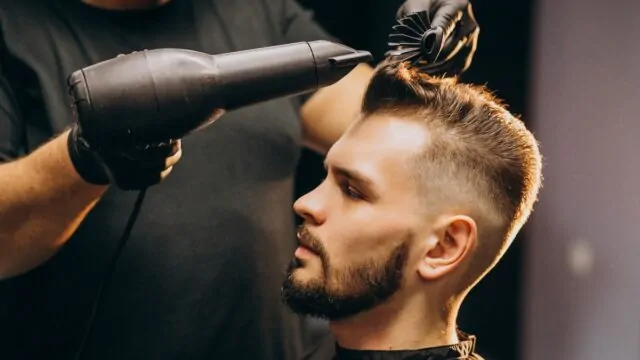
Heat styling tools are a staple for many, but straighteners, curling wands and blow dryers can cause serious damage if used incorrectly. One of the biggest mistakes is applying heat directly to unprotected hair.
How to avoid it: Always apply a heat protectant before styling. These products create a barrier that reduces moisture loss and minimises damage. Also, avoid using the highest heat setting unless absolutely necessary — most hair types respond just as well to moderate temperatures.
Overwashing Your Hair
Washing your hair too frequently can strip it of its natural oils, leaving it dry, brittle and prone to frizz. This is especially common for people trying to control oiliness, ironically making the problem worse.
How to avoid it: Aim to wash your hair two to three times per week, depending on your hair type and lifestyle. On non-wash days, a quality dry shampoo can refresh your roots without over-cleansing.
Choosing the Wrong Products for Your Hair Type
Using products that aren’t designed for your specific hair type is a fast track to lacklustre results. Heavy products can weigh down fine hair, while lightweight formulas often fail to nourish thick or curly hair.
How to avoid it: Understand your hair’s texture, density and concerns. If you’re unsure, a consultation with a professional hairdresser in Hawthorn can help you identify the right products and routines for your hair, saving time and money in the long run.
Skipping Regular Trims
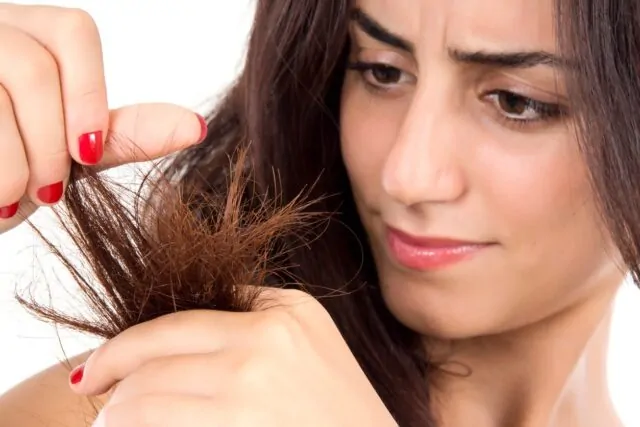
Many people avoid trims because they want their hair to grow longer, but neglecting regular maintenance actually leads to split ends travelling further up the hair shaft — resulting in more length being lost later. How to avoid it: Schedule trims every six to eight weeks. Even a small tidy-up keeps your ends healthy and helps your style maintain its shape.
Overloading on Styling Products
More product doesn’t mean better hold or shine. In fact, layering too many styling products often leads to greasy buildup, limp hair and a lack of movement. How to avoid it: Use fewer products, applied sparingly. Start with a small amount and build only if needed. Less truly is more when it comes to styling.
Ignoring Your Hair’s Natural Texture

Trying to force your hair into a style it naturally resists can result in daily frustration and unnecessary damage. This often shows up as excessive straightening, over-curling or constant blow-drying. How to avoid it: Work with your natural texture rather than against it. A cut and style tailored to how your hair naturally behaves will look better, last longer and require far less effort.
Using Old or Dirty Tools
Hair tools that are clogged with product residue or past their prime can snag hair, distribute heat unevenly and reduce styling effectiveness. How to avoid it: Clean brushes and styling tools regularly, and replace them when they show signs of wear. Well-maintained tools protect your hair and deliver better results.
Brushing Hair While It’s Soaking Wet
Wet hair is at its most fragile, yet many people aggressively brush straight after showering. This can stretch the hair fibre beyond its limit, leading to breakage, split ends and long-term thinning. How to avoid it: Gently towel-dry your hair first, ideally using a microfibre towel or soft cotton T-shirt. Use a wide-tooth comb or a detangling brush, and always start from the ends before working your way up to the roots.
Using the Wrong Hair Ties and Accessories
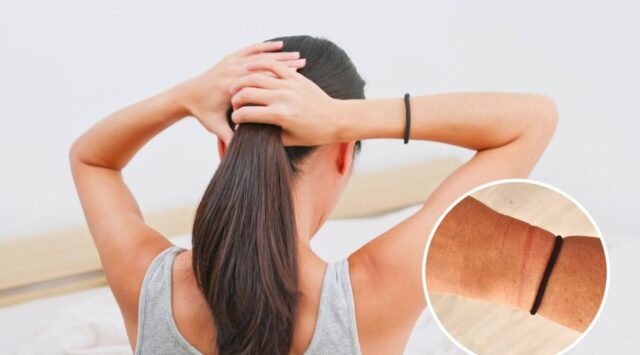
Tight elastic bands, metal clips and rough hair accessories may seem harmless, but they often cause friction and snapping — especially when worn in the same spot every day. How to avoid it: Opt for fabric-covered elastics, silk scrunchies or spiral hair ties. Rotate your hairstyles regularly to avoid repeated stress on the same areas.
Neglecting Scalp Health
Healthy hair starts at the scalp, yet many people focus solely on lengths and ends. Product buildup, excess oil and dry flakes can interfere with hair growth and overall appearance. How to avoid it: Incorporate regular scalp cleansing into your routine. Use clarifying shampoos occasionally, exfoliating treatments when needed, and massage gently to stimulate circulation and remove buildup.
Rough Towel-Drying After Washing
Vigorously rubbing hair with a towel creates friction that lifts the cuticle layer, resulting in frizz, dullness and breakage over time. How to avoid it: Instead of rubbing, gently squeeze excess water from your hair and pat dry. Wrapping hair loosely in a soft towel helps reduce damage while speeding up drying time.
Skipping Heat-Free Styling Options
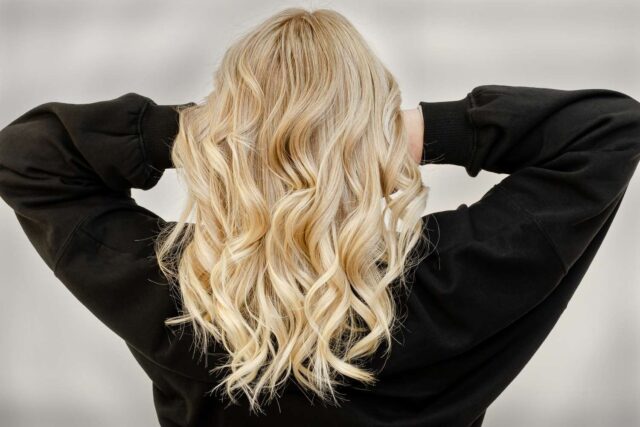
Relying exclusively on heated tools can gradually weaken hair, even when using protection. Many people overlook heat-free methods that can achieve similar results with far less damage. How to avoid it: Experiment with overnight braids, foam rollers, twist-outs or air-drying techniques. Giving your hair regular breaks from heat preserves strength and elasticity.
Using Too Much Dry Shampoo
Dry shampoo is convenient, but overusing it can clog follicles, dull shine and create stubborn residue that weighs hair down. How to avoid it: Use dry shampoo as a short-term refresh, not a replacement for washing. Apply lightly, focus on the roots, and cleanse thoroughly once buildup becomes noticeable.
Changing Colour Without Proper Aftercare
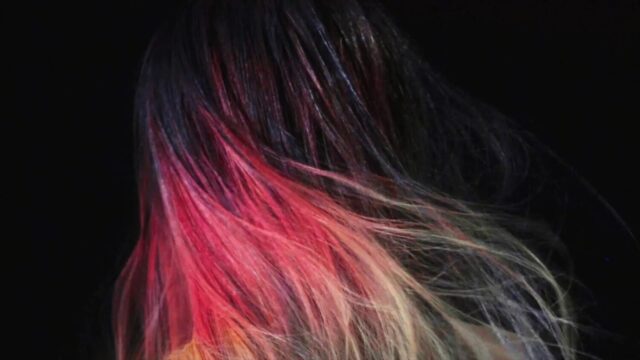
Many people invest in professional colouring but neglect the maintenance required to keep hair healthy afterwards. Without proper care, coloured hair can become dry, faded and brittle. How to avoid it: Use colour-safe shampoos and conditioners, reduce heat styling, and apply deep conditioning treatments regularly. Protecting coloured hair preserves vibrancy and softness.
Sleeping Without Hair Protection
Night-time friction from pillowcases and tossing can cause tangling, breakage and frizz — especially for longer or textured hair. How to avoid it: Switch to silk or satin pillowcases, or wear a soft hair wrap. Loosely braiding hair before bed can also minimise tangling and morning frizz.
Cutting or Layering Hair at Home
At-home trims may seem cost-effective, but uneven cuts and poorly placed layers often lead to more damage and expensive fixes later. How to avoid it: Leave major cuts and reshaping to professionals. Regular salon trims ensure your style grows out evenly and maintains its intended structure.
Not Seeking Professional Advice
DIY styling tips online can be helpful, but they’re not always suited to your individual hair needs. Guesswork often leads to ongoing issues that could have been easily avoided. How to avoid it: Professional advice ensures your cut, colour and styling routine are customised to you. Expert guidance can transform not only how your hair looks, but how manageable and healthy it feels day to day.
Hairstyling mistakes are incredibly common… but they’re also entirely preventable
With the right knowledge, products and professional support, you can protect your hair’s health while achieving a style that truly suits you. By avoiding these pitfalls and making small, informed changes, you’ll notice smoother, shinier and more resilient hair — and far fewer bad hair days.