

Maintaining brand standards is not just about logos and slogans but every detail a guest sees and touches. In Hawaii’s hospitality industry, glass plays a larger role than most realize.
Lobby partitions, spa glass walls, and bathroom shower doors all reflect a property’s commitment to excellence. When these surfaces cloud with stains or lose their clarity, the impact on perception is immediate.
Guests may never say the words, but they notice, and that impression lingers long after checkout. For hotels that aim to deliver consistently polished experiences, restoring glass becomes a brand safeguard, not just a cleaning task.
Why Glass Clarity Shapes Guest Impressions
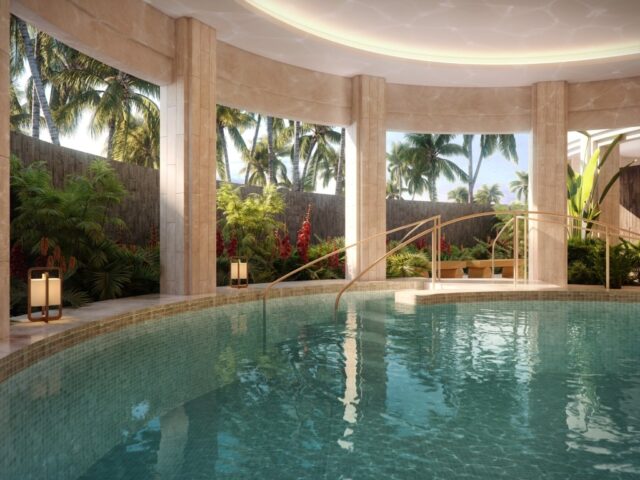
Guests in Hawaii arrive with expectations: pristine ocean views, clean rooms, and sparkling amenities. Cloudy glass panels in a spa or streaked shower doors in a suite quietly undermine that promise. The brain makes fast associations – if glass isn’t cared for, what else might be neglected?
This is why clarity matters:
- Guests equate transparency with cleanliness and safety.
- Cloudy glass diminishes luxury, no matter how well-furnished the room.
- Sparkling glass reinforces brand consistency across all guest touchpoints.
In a competitive market, visual details create trust. When they falter, so does the story a hotel tells about itself.
The Hawaii Challenge: Salt, Humidity, and Hard Water
Island environments add extra difficulty. Sea air, high humidity, and mineral-heavy water all accelerate buildup on glass. Over time, these elements don’t just leave streaks—they etch surfaces and cause permanent hazing.
Hotels that operate near the beach face the harshest test. Salt spray leaves micro-crystals that scratch if not removed quickly.
Hard water adds calcium deposits that form stubborn stains. Guests might see them as ordinary “spots,” but staff knows they can resist standard cleaning. This is where hard water spot removal becomes essential.
Professional restoration techniques can reverse damage without replacing costly panels, keeping glass aligned with brand standards.
Restoration vs. Replacement: Costs and Consequences
Restoring glass is often far more cost-effective than full replacement. The following comparison shows why many Hawaii hotels lean toward restoration first:
| Aspect | Restoration | Replacement |
| Cost | Moderate, predictable | High, variable |
| Guest Disruption | Minimal, fast turnaround | Longer downtime |
| Sustainability | Eco-friendly, less waste | Resource-heavy |
| Longevity | Restores clarity for years | New, but equally vulnerable |
Hotels that restore instead of replace not only save money but also keep rooms available, protecting revenue streams while still meeting brand expectations.
How Glass Restoration Supports Brand Consistency
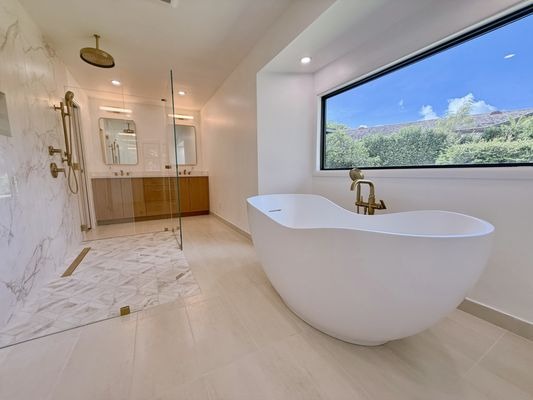
Consistency is the silent language of strong hospitality brands. A Hilton in Honolulu and a Marriott in Maui may differ in design, but each promises a standard of quality.
Clouded shower doors or spotted spa glass interrupt that message.
Glass restoration reinforces consistency by:
- Delivering the same “new room” impression for every guest.
- Supporting housekeeping teams with surfaces easier to maintain.
- Ensuring brand audits score high on property conditions.
When leadership views glass as part of brand identity, restoration becomes a proactive measure, not a reactive cost.
A Closer Look at the Guest Experience
It helps to step into the guest’s shoes. After a long flight, they step into their suite and head to the bathroom. The first shower is a ritual, a chance to refresh.
If the glass door looks streaked or spotted, the sense of luxury breaks.
Contrast that with a sparkling surface: it reflects light, frames the space, and signals care. The guest feels valued, not just accommodated.
This emotional moment is what brand standards are designed to protect. Glass restoration supports not just the physical appearance, but also the emotional arc of the guest journey.
When Hotels Should Schedule Professional Restoration
Hotels can benefit from a simple checklist to determine if professional glass restoration is needed:
- Stains remain even after deep cleaning.
- Guests or staff report “permanent fog” on shower doors.
- Outdoor glass shows etching from salt spray.
- Glass in spas or pool areas looks dull under bright light.
- Brand auditors highlight visual inconsistencies.
Beyond the Rooms: Glass Across Hotel Spaces
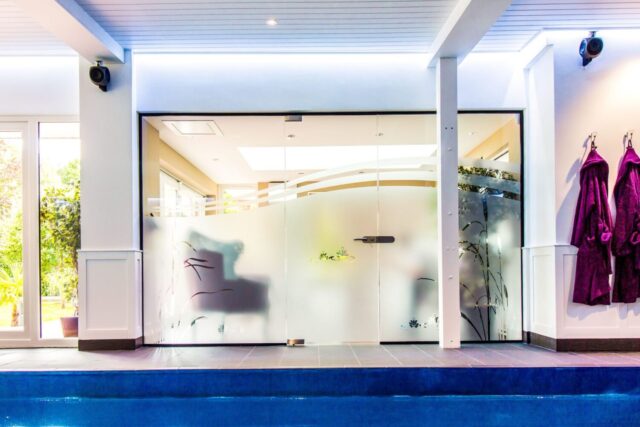
Shower doors get the most attention, but brand standards extend further:
- Pool areas: Guests lounge near glass partitions that should reflect clarity and cleanliness.
- Fitness centers: Mirrors and glass walls need to look spotless under strong lighting.
- Lobby areas: Glass partitions frame first impressions.
- Spas: Relaxation is undermined when guests notice stains during treatments.
Each space contributes to the overall impression of care. When hotels overlook these surfaces, they risk sending mixed signals about quality.
The Environmental and Safety Factor
Glass restoration is also a sustainability decision. Instead of replacing panels and sending tons of material into waste streams, restoration reuses what’s already there.
This aligns with eco-conscious values that many Hawaii guests appreciate.
Safety plays a role too. Etched or roughened glass can weaken over time, creating potential hazards.
Professional restoration not only polishes surfaces but also maintains structural integrity.
Hotels that act early protect both their brand and their guests.
Practical Takeaways for Hotel Managers
To keep glass aligned with brand standards, managers can adopt these practices:
- Train housekeeping to report early signs of damage.
- Schedule periodic professional evaluations.
- Budget for restoration as preventive maintenance, not emergency repair.
- Educate staff on the role glass plays in brand perception.
This proactive mindset transforms glass care from a minor chore into a strategic brand safeguard.
Clarity as a Silent Brand Ambassador
In Hawaii’s competitive hospitality market, brand standards live in the details. Glass is one of those details guests rarely name, yet always notice.
Restored surfaces shine with clarity, enhance emotional experiences, and protect brand promises.
For hotels that value consistency, sustainability, and guest satisfaction, glass restoration is an investment in their story.