

Life never really slows down, does it? Still, you turn on a game, put a little money on it and suddenly, you feel like you’ve just picked up the simplest prescription for your busy mind.
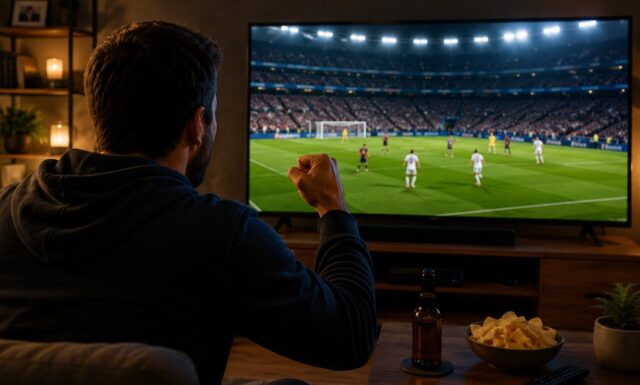
Every sports fan knows that feeling; the clock’s winding down, the score’s close and nothing outside the TV matters. Heartbeat’s racing. Phone’s forgotten. For those few minutes, your endless messages, looming deadlines and those terrible late-night emails just vanish. That’s not an accident. There’s real science showing that watching sports, and maybe making a bet, can actually be good for you. Far from just goofing off, this sort of downtime might be the smartest part of your day.
The burnout problem nobody talks about enough
The numbers say it all: Stress at work has hit record highs. The 2025 Aflac WorkForces Report says nearly 72% of U.S. workers are seriously stressed, the worst it’s been in seven years. That isn’t just a bad day. It’s chronic, bleeding into nights, weekends and even your sleep and relationships.
According to Gallup, almost half of American workers face work stress daily, and more than 80% are facing burnout. In other words, pretty much everyone needs some mental space. It’s not if you need downtime, it’s what you actually do with it.
Why sports, specifically, feel so different
Mindlessly scrolling social media looks like a break, but it never really feels like one. Sports? Whole different story. Experts say sports pull your attention toward something positive; cheering, group buzz and shared highs and lows, and that triggers your brain to send out feel-good chemicals. Your mood lifts, anxiety slides away and you actually feel connected to other people.
That connection matters more than you’d think. Research from Anglia Ruskin University, with 7,209 adults, found sports fans have better mental health than non-fans, all thanks to the social side of the experience. One University of Chicago study even found your brain fires up more strongly when you follow games and chat with other fans; tracking plays, swapping stats and having arguments at halftime, it all keeps your brain tuned up.
And sometimes, plain old distraction is what you need. When the game’s on, your brain’s focus gets razor sharp and every problem from work fades into the background. Watching sports shuts out the world for a bit, and that’s stress relief in action.
Where betting comes in
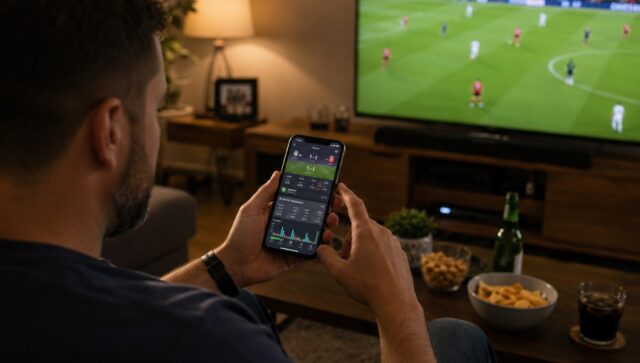
Now, here’s where things get interesting. For a lot of fans, betting isn’t a sideline; it’s part of the experience. And the data backs that up. Variety Intelligence Platform found that betting makes fans care more about the sport. People who bet watch the games more, tune in more often, and that’s helped drive up viewership in leagues like the NFL, especially when the stakes are high.
When fans bet, they aren’t just watching; they’re talking, analyzing and strategizing. Every corner kick or substitution suddenly matters to them, making the action more personal. And you don’t have to get off the couch to feel that rush. Stats show 90% of fans check extra content while watching, and 82% of people at games use apps actively; checking stats, tracking commentary or chatting with friends.
For folks wanting to dive in, Betway runs the full spectrum; betting across all the big soccer leagues, such as Premier League, La Liga and Champions League, and casino games after the match. They’re also Manchester City’s official betting partner, which speaks to their reach and professionalism. Betway puts safety and responsible gaming front and center, so you can get a thrill without things getting out of hand.
The social glue of game day

Sports, for most people, are never a solo thing. Maybe you hit a packed bar for Premier League matches, light up a group chat over a crazy touchdown or pile into a friend’s living room to argue over substitutions. Whatever it is, sports carve out a social ritual you just don’t get many other places.
Right now, shared experience is especially important. Studies link going to live sports events with feeling happier and less lonely. Researchers in Japan even found that watching sports ties into being healthier mentally and socially; less depression, deeper friendships.
The content of your downtime matters
Downtime doesn’t have to mean just staring at the wall or doom-scrolling through your phone. Tossing on a game, and even backing your gut with a little wager, gives people something they’re missing: Immersion, connection and maybe a reason to feel fired up instead of worn out.
Legal sports betting in the U.S. made $16.96 billion in 2025, and analysts say the point isn’t just team loyalty anymore; it’s about access, information and being present in moments that matter.
So, the next time someone questions why you’re settling in for a match and maybe putting a little something on the side, science says you’re onto something.