
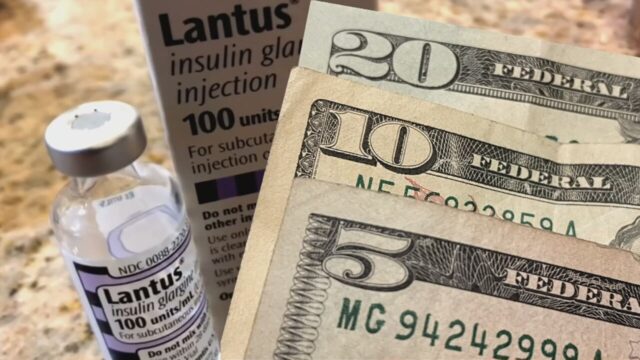
For people paying cash for insulin glargine, the vial option can be a pragmatic way to manage expenses—if you understand how pricing works and where to find value. CanadianInsulin® is a prescription referral service.
Prescriptions are verified with your clinic, and orders are filled by licensed Canadian pharmacies. This explainer walks through what drives the Lantus Vial price, how cross-border pharmacy markets differ, and practical steps to reduce your out-of-pocket costs without compromising safety.
What actually drives a cash price?

Retail pricing for a prescription vial reflects more than the medication itself. Pharmacies factor in acquisition cost, wholesaler or distributor fees, storage and handling expenses (insulin requires refrigeration and cold-chain logistics), and a dispensing fee that varies by state or province.
Independent pharmacies sometimes set different margins than chains or grocery pharmacies; mail-order vendors may have separate shipping and packaging charges.
Product format matters, too. A 10 mL vial of insulin glargine at 100 units/mL contains 1,000 units. Pens can be more convenient, but per-unit costs sometimes differ from vials.
If you dose small amounts daily or frequently titrate, the per-unit price of a vial can be favorable—provided you use it within its in-use shelf life (often 28 days at room temperature; confirm the current label and your pharmacist’s guidance). Avoiding waste is a quiet but measurable way to control the total Lantus Vial cost.
Cross-border context: why prices differ
U.S. and Canadian pharmacy markets operate under different policies. Canada’s federal and provincial frameworks regulate brand-name drug list prices and dispensing fees more tightly than in the U.S., where manufacturer pricing, pharmacy benefit managers, and negotiated rebates play a larger role.
Those differences can translate into lower cash prices from licensed Canadian pharmacies for certain medications, including insulin products, though the final out-the-door cost still depends on shipping, handling, and quantity.
For U.S. buyers exploring international mail order, it is important to know that pharmacies usually require a valid prescription and will ship using insulated packaging with temperature controls.
Some consumers look to product-specific pages to verify availability and to compare the Lantus Vial price and typical package sizes. If you import for personal use, consult up-to-date federal and state guidance; rules can vary and may change.
Ask your prescriber about continuity of care, especially if you are switching from a U.S. pharmacy to an international supplier.
We collaborate with licensed, vetted pharmacy partners to supply authentic brand medications with a broad selection and value-focused pricing.
Ways to reduce cash out-of-pocket costs
- Compare unit prices, not just the sticker price.
- Shop across pharmacy types; independents may beat chains.
- Ask your prescriber about biosimilar or alternative options.
- Adjust the prescription quantity to lower per-fill fees.
- Use manufacturer assistance programs if eligible.
- Prevent waste by proper storage and using within expiry.
- Plan shipping strategically with cold-chain handling.
How to estimate your monthly insulin budget

Start with your total daily dose (TDD). Your TDD is usually calculated based on your weight, lifestyle, and how your body responds to insulin in controlling blood sugar levels. Multiply by 30 to estimate monthly units needed. Divide by the 1,000 units in a standard vial to determine how many vials to order.
Consider how long a vial remains usable after opening, shipping costs, taxes, and dispensing fees. Request an itemized quote for accurate comparisons.
Questions to ask before you buy
- Will the pharmacy verify my prescription with my clinic?
- How do they ensure cold-chain integrity?
- What expiry dates can I expect?
- What is their return/replacement policy?
- Will they substitute another insulin product?
- Does the price include all fees and charges?
Promotions and loyalty programs
Some pharmacies offer discounts or free shipping. Loyalty programs may provide points or credits for future purchases, which can help frequent refillers save more.
Safety and authenticity checks
Always confirm that the pharmacy is licensed, requires a prescription, and has clear policies. Inspect packaging, seals, labels, and expiry dates upon delivery. Never use insulin that looks discolored, cloudy (unless intended), or contains particles.
Additional tips for smarter insulin purchasing

Beyond comparing prices and choosing between vials and pens, patients can also benefit from understanding how their lifestyle choices affect their overall insulin needs.
For example, regular physical activity such as walking, cycling, or swimming can improve the body’s sensitivity to insulin, sometimes leading to lower daily dose requirements.
Likewise, a balanced diet with consistent carbohydrate intake helps avoid spikes and crashes that may otherwise increase insulin use.
Planning meals and sticking to a routine can make it easier to estimate how much insulin you’ll need, minimizing waste from opened vials.
Another helpful strategy is to join diabetes support groups, both locally and online. These communities often exchange information about legitimate international pharmacies, coupon programs, or nonprofit organizations that help cover the cost of insulin.
Additionally, staying informed about new biosimilar insulins is key, since competition can drive down costs and make long-term treatment more affordable.
Finally, don’t overlook the basics: maintaining healthy lifestyle habits such as balanced nutrition, regular physical activity, and good sleep can improve insulin sensitivity, which may help optimize your dosage needs over time.
Small changes can accumulate into noticeable cost savings. By combining smart shopping, medical guidance, and everyday health strategies, you can take control of both your diabetes management and your budget.
Bottom line
The cash price you pay for a Lantus vial depends on where you buy, shipping/storage practices, and how efficiently you use it. Comparing per-unit costs, exploring assistance programs, and confirming pharmacy quality controls can help you save money without compromising safety.
Author’s note: This neutral explainer is provided for general information and does not replace medical advice. For service details, visit https://canadianinsulin.com/