

The digital gaming world has moved far beyond the simple lists of links we used to see a few years ago. Today, the first thing a player sees when they log into a platform is a highly engineered environment. It is designed to feel like a high-end physical space. The architecture of a modern online casino lobby is now a masterclass in front-end tech and user flow. It is no longer just a landing page. Instead, it is a digital concierge that sets the tone for the entire experience before a single game is even loaded. This initial interaction is vital. It builds trust and establishes the premium nature of the brand right away.
Infrastructure and the Speed of Trust

A massive part of this first impression comes down to the underlying infrastructure. Online casino lobbies are built on high-speed content delivery networks. These ensure every asset, from the glowing thumbnail to the live preview window, loads in a fraction of a second. When you browse a well-built online casino lobby, like the one found at Betway, you are seeing the result of heavy investment in low-latency data streaming. The goal is to eliminate the loading screens entirely.
This is achieved by using localized caching. The most popular game assets are stored on servers physically closer to the user. This allows for a near-instant response time when clicking through different categories. If a player is accessing a lobby from a major city, the assets are served from a local edge node rather than a data center across the ocean. This reduces the time to first byte and makes the interface feel snappy and expensive. In a world where a three-second delay can lose a user, this tech is the foundation of the business.
Modular Frameworks and Responsive Logic
The tech used in these interfaces often mirrors what you would find in high-end streaming services. Developers use modular frameworks that allow the lobby to reconfigure itself on the fly. This means the visual layout is perfectly optimized whether you are on a massive 4K monitor or a handheld device. It is not just about shrinking the images. It is about intelligent reflow, where the hierarchy of the lobby shifts to prioritize the most relevant games for that specific screen size.
The transition between a static lobby and a live table game is now seamless thanks to sophisticated WebSocket technology. This tech keeps a constant, open line of communication between the server and the player’s device. It ensures that live game counts and jackpot totals are updated in real-time. The user never needs to refresh the page to see the latest numbers. This persistent connection is what allows for the live pulse of a lobby, where you can see seats filling up at a blackjack table in real-time before you even click join.
Visual Fidelity and the Transparent Window
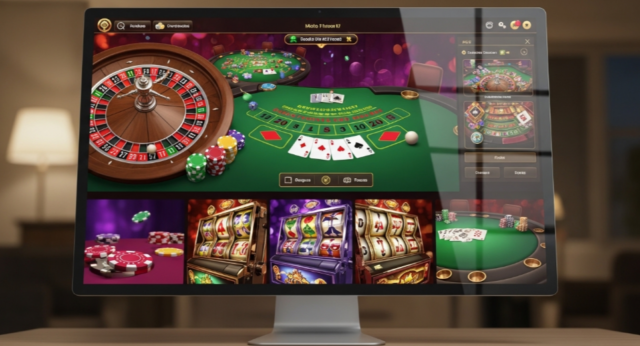
Beyond just speed, the visual quality is incredible. We are now seeing the use of vector-based graphics and high-bitrate video previews that give the lobby a cinematic feel. Instead of a flat image, players often see a live, muted stream of the actual dealer or the spinning reel within the thumbnail itself. This allows a player to gauge the energy of a room before joining.
This level of transparency is a huge draw for the modern enthusiast. It shows that the platform, such as Betway, is confident in the quality of its broadcast tech. They want the player to see that production value upfront. The tech behind these thumbnails involves a complex bit-rate ladder, where the video quality scales based on the user’s connection speed. If you have a solid fiber connection, the lobby looks like a 4K broadcast. If you are on a weaker mobile signal, the tech drops the bitrate to keep the movement smooth without stalling the UI.
The Engine of the Modern UI
When we talk about the architecture of these spaces, we have to look at the state management happening in the background. Every time a player hovers over a game, sorts by newest, or filters for a specific provider, the back-end has to handle thousands of requests simultaneously. Modern lobbies use asynchronous loading to make sure the parts of the page you aren’t looking at don’t slow down the parts you are.
This is why you can scroll through a list of a thousand games and never hit a loading wall. The lobby is essentially predicting your movement, pre-fetching the images for the games just below your current view. This tech is borrowed from high-traffic social media feeds, but it is much harder to implement in a gaming environment where the data, like live prize pools, is changing every millisecond.
Environmental Logic and Smart Atmosphere
Even the lighting and color palettes are managed by smart CSS and back-end logic. The interface can shift from a bright, energetic morning mode to a deeper, more focused evening aesthetic. This is not just for looks. It reduces eye strain and helps the player stay focused on the games rather than the UI.
There is also the haptic element to consider. While we think of a lobby as a visual thing, the tech now includes subtle sensory feedback for mobile users. A tiny vibration when a category is selected or a specific sound frequency when a live game becomes available helps create a sense of physical presence. These small details are what make a digital lobby feel like a high-end physical venue.
Security Architecture and User Safety
We cannot talk about the lobby without mentioning the invisible tech that keeps it safe. The architecture includes Transport Layer Security that is so fast the user never notices the encryption happening. Every interaction, from a mouse click to a search query, is wrapped in a layer of security that prevents data tampering. This is the silent part of the first impression. If a site feels janky or triggers a browser warning, the trust is gone. Premium lobbies ensure their security certificates and handshake protocols are optimized for speed so they do not get in the way of the entertainment.
Optimization for Global Access
The global nature of gaming means that these lobbies must perform under various network conditions. Engineering teams spend months optimizing the Document Object Model to ensure that the browser does not choke on the heavy amount of data being pushed. They use minification techniques to shrink the size of the code and lazy loading to prioritize the most important visual elements. This ensures that even on an older device, the lobby feels premium. It is about inclusivity through high-performance engineering.
The Future of the Digital Concierge
In the end, the new era of the digital lobby is about making the tech invisible. The player should feel the speed and the quality without ever thinking about the servers or the code behind it. It is about creating a space that feels expensive, responsive, and ready for action.
Global tech hubs are seeing a surge in developers who specialize in this specific lobby architecture. It is a niche that requires a mix of high-end graphic design and hardcore network engineering. We are moving toward a world where the lobby is a destination in itself. It is a place to see what is trending, check out the latest high-def broadcasts, and feel the energy of a global community. It is a far cry from the old days of basic web pages. It is a high-performance space for a world that expects nothing less than perfection from the first click.
Seamless Navigation and Discovery
The final layer of this architecture is the search and discovery engine. A lobby is only as good as its ability to help you find what you want. Modern lobbies use advanced tagging systems that allow players to filter by theme, volatility, or even the type of bonus features available. This data is served via fast API calls that update the results as you type. This level of responsiveness is what keeps the experience fluid and makes the digital lobby a truly modern piece of software. It is the pinnacle of current web tech.