

Floor plans may look like simple line drawings, but for condo buyers in Singapore they are the blueprint to decision-making. They reveal how a unit flows, how much usable space you actually get, and whether the design truly fits your lifestyle.
By learning to interpret them step by step, you reduce the risk of surprises after purchase and sharpen your ability to spot the difference between a good plan and one that only looks appealing on paper.
Why decoding floor plans helps buyers make better decisions
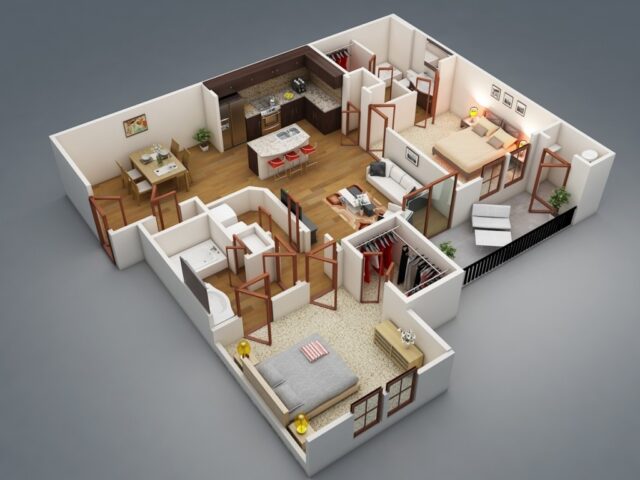
Many buyers rely on showflats or brochures, but floor plans carry insights that can’t be staged. They show circulation, orientation, and structural features that influence long-term comfort.
If you want to avoid a narrow living room that feels cramped or a kitchen that sits awkwardly away from utilities, floor plans will alert you before you sign anything.
More importantly, they allow you to compare projects side by side. In a city where square footage is limited and prices are high, understanding how space is allocated ensures you are paying for functionality, not just headline numbers.
A 1,000-square-foot condo with efficient planning may live larger than one with 1,200 square feet wasted on hallways.
The first things you should look at on any plan

Before diving into fine details like furniture placement, take a wide-angle look at the plan. Certain features signal whether a layout is efficient or compromised:
- Orientation: Units with north-south exposure often avoid the worst of the afternoon sun.
- Shape: Simple rectangles are usually more efficient than irregular layouts with angled walls.
- Hallways: Long, narrow corridors can waste precious space.
- Wet areas: Kitchens, bathrooms, and yards should be grouped logically to simplify plumbing.
Once you check these basics, you’ll quickly know if the plan is worth further attention. Think of this step as a filter, helping you dismiss poor layouts without wasting time.
Measuring the numbers that matter

It’s easy to be impressed by a total area figure, but not all square footage is created equal. In Singapore, developers often include balconies, air-con ledges, and bay windows in the strata area. That means a 1,000-square-foot unit might only have 850 square feet of true interior space.
Look at individual room dimensions as well. A bedroom narrower than three meters may not accommodate a queen bed comfortably. A dining area with less than 2.5 meters of clearance may feel tight once chairs are added.
Paying attention to measurements ensures you see the difference between theoretical size and practical living.
One good way to sharpen your eye is by looking at developments known for strong planning. Take Skye at Holland for example.
Its layouts balance private and communal zones, with bedrooms positioned away from the main living area to reduce noise.
Balconies are proportioned well, extending the space without swallowing the interior. When you review such examples, you start to notice design choices that make a unit feel comfortable day to day rather than just impressive on paper.
Decoding symbols and short forms
Floor plans are filled with abbreviations that can puzzle first-time buyers. Learning a few common ones makes reading easier:
- AC or A/C: Air-con ledge, not liveable space.
- HS: Household shelter, a reinforced store room.
- DB: Distribution board, usually near the entrance.
- W/D: Washer and dryer point.
- F: Fridge position.
Recognising these marks helps you plan furniture placement and understand utility areas better. It also prevents you from mistaking a storage area for part of the usable living room.
How to imagine daily life inside the plan

Numbers and symbols only tell part of the story. The real test is visualising yourself moving through the unit. Imagine preparing meals – can you walk from the kitchen to the dining table without cutting through the living room?
Think about evenings – do bedrooms sit far enough from the entertainment area to allow quiet rest? Look at balconies – do they extend the living space meaningfully or sit tucked away where you’ll rarely use them?
By picturing actual routines, you test whether the plan supports your lifestyle or works against it. A layout that looks fine on paper may reveal flaws once you apply it to daily activities.
Developments such as Penrith show how flow and proportion matter. Their layouts maximize communal areas while keeping bedrooms practical. Entryways lead naturally into living zones without wasted corridors.
Kitchens often maintain a clear wet-dry separation, while bedrooms avoid awkward shapes that make furnishing difficult. Studying such plans trains your eye to spot strong circulation and balance, key features for both comfort and long-term value.
Red flags that signal wasted space
Not every floor plan is designed with buyers’ best interests in mind. Some common pitfalls include:
- Furniture drawn too small, creating the illusion of generous space.
- Oversized balconies, which reduce usable indoor area.
- Bay windows that count as strata area but limit floor-level usage.
- Beams and columns intruding into bedrooms or living rooms.
Spotting these red flags saves you from disappointment when the finished unit feels tighter than expected.
A method for comparing floor plans

To make fair comparisons across projects, follow a consistent process:
- Confirm usable space by subtracting balconies and ledges.
- Check bedroom widths to ensure they accommodate your preferred furniture.
- Review circulation paths for excessive hallways or awkward turns.
- Note service areas like household shelters or washer points.
- Match with lifestyle needs, such as space for a home office or family dining.
This checklist keeps your evaluation clear and prevents you from being swayed by sales presentations.
Linking layout to long-term value
A condo is not just a place to live – it’s also an investment. Efficient layouts hold better resale value because they appeal to more buyers and tenants.
A two-bedroom unit with a square living room will often resell more easily than one with long, narrow proportions. By learning to read floor plans, you protect your future financial return as well as your daily comfort.
Closing thoughts
Floor plans are more than sketches; they are the DNA of a condo. By paying attention to orientation, measurements, flow, and symbols, you learn to see through the marketing gloss and judge real usability. With practice, reading plans becomes second nature, helping you choose a unit that fits both lifestyle and investment goals.