
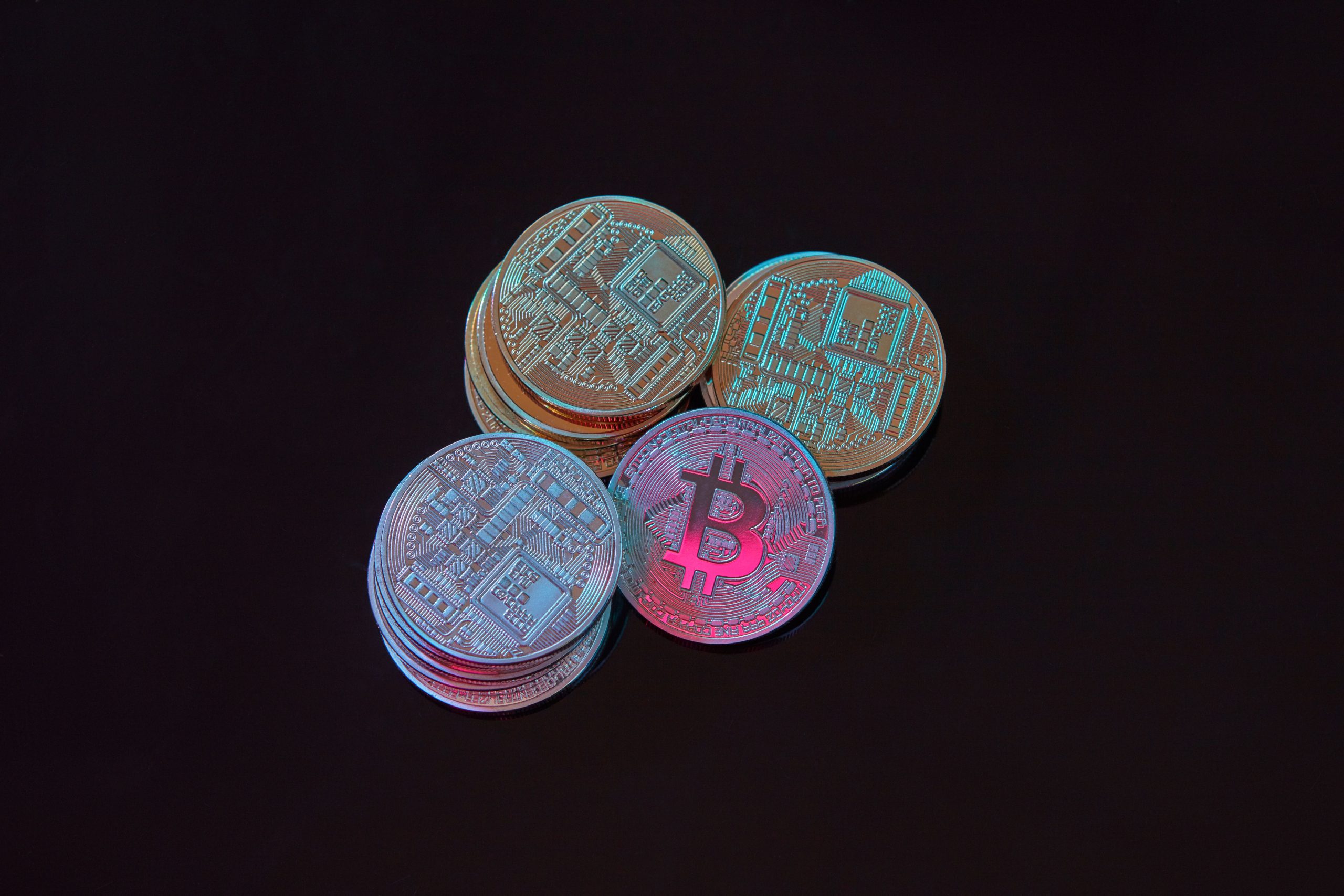
For most of the internet’s history, paying for something online meant typing a card number into a form and waiting for a bank to approve it. That model still dominates, but cryptocurrency has started to change the plumbing underneath it. Stablecoins, crypto-linked debit cards and faster settlement rails are now showing up in checkout pages, peer-to-peer transfers and even small micropayments. The shift is uneven and often overstated, yet the numbers are big enough that it is worth understanding what is really going on.
From card swipes to wallet taps

Most everyday crypto activity is not about buying Bitcoin as an investment. It is about moving dollar-pegged tokens, usually called stablecoins, from one wallet to another. A stablecoin is designed to hold a steady value, often one US dollar per token, which makes it far more useful for paying a bill than a volatile asset. Research from several analysts suggests that stablecoin payments reached at least $401 billion in the first eight months of 2026, up 42 percent from a year earlier, even as the total supply of stablecoins grew much more slowly. In other words, the tokens are changing hands more often, not simply sitting idle.
The appeal is easy to see. A transfer on a modern blockchain can settle in seconds, runs around the clock, and does not depend on a bank’s opening hours or on a card network taking a cut of every purchase. For online sellers, that can mean lower processing fees and fewer chargebacks. For buyers, it can mean paying from a digital wallet without handing over card details at every merchant.
Merchants are cautious, but the gap is closing
Despite the headlines, most large retailers have not rushed to accept crypto at checkout. A survey of the largest regional merchants by Flagship Advisory Partners found that only about 4 percent of the top 50 US merchants accepted stablecoins directly as an ecommerce payment method. Europe and Latin America were somewhat higher, at 8 and 12 percent respectively.
A more common route is the indirect one. Around half of the large merchants surveyed had agreed to appear in “gift card malls” run by crypto payment providers, where shoppers can use cryptocurrency to buy branded gift cards for stores they already use. The merchant gets paid in local currency, and the customer gets to spend their digital balance without the store ever touching crypto. That model may explain why crypto payments are spreading faster than direct acceptance numbers suggest.
Payment data from one large crypto payment provider points the same way. Its merchant volume grew 114 percent year on year in 2026, and the median payment size rose from about $10 to about $18. Small crypto-native purchases are still common, but larger everyday transactions are becoming more typical.
Niche online sectors are where crypto moves first
Some online categories have adopted crypto faster than others, usually because their customers already hold digital assets or value privacy and speed. Digital goods, VPN subscriptions, online gaming top-ups and certain high-ticket items have been early adopters. Gambling is one of the most visible examples. Readers comparing crypto casinos will often find that the sites promote instant deposits and withdrawals as their main selling point, which is the same speed advantage that draws other online merchants to stablecoins. Casinous, a casino review site, publishes a dedicated guide to cryptocurrency banking for players, and it is a useful example of how crypto payments are being explained to ordinary users. Anyone considering these platforms should check licensing, withdrawal terms and local laws first, because fast settlement does not remove the usual risks of online gambling.
Cross-border payments: the strongest case for crypto
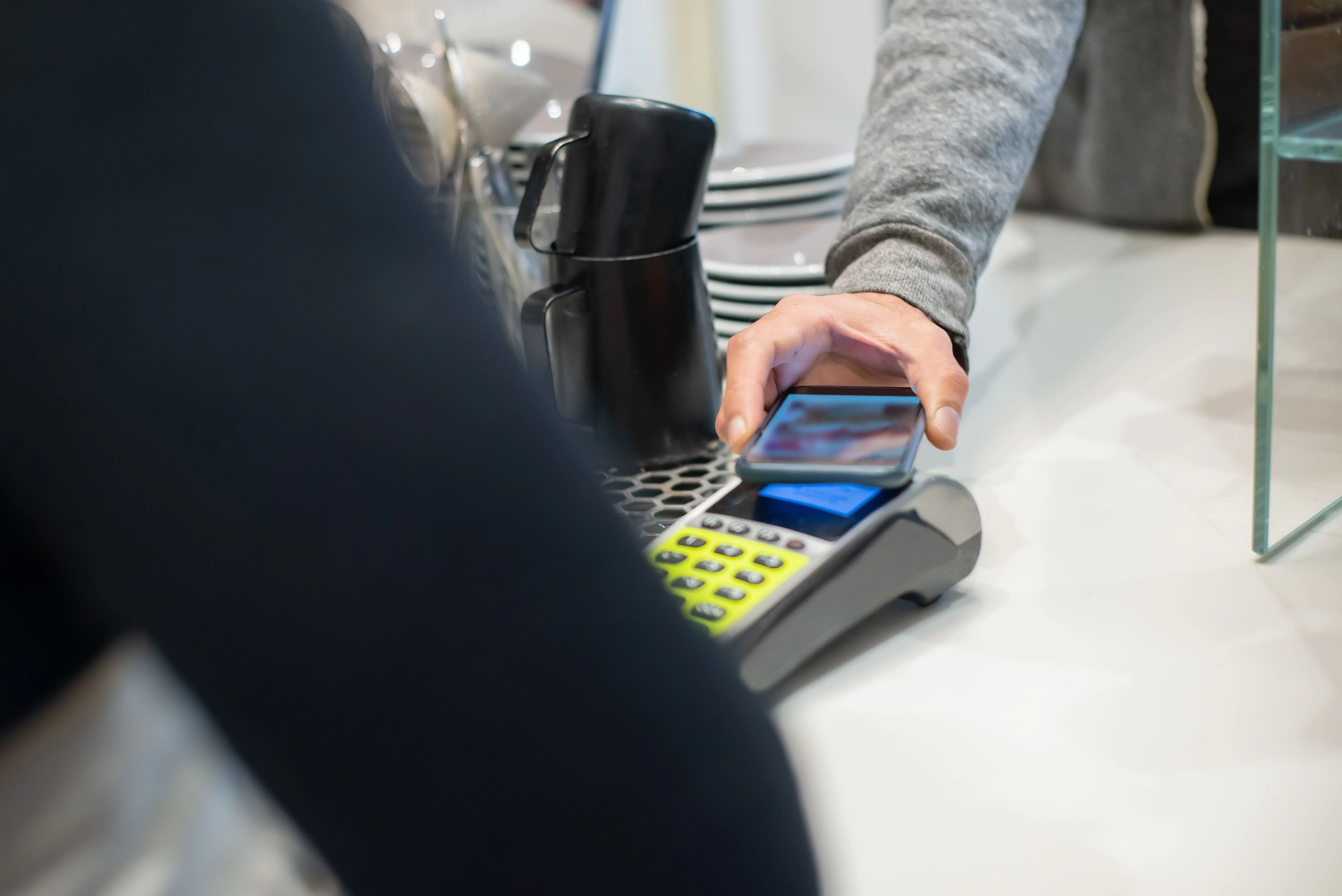
Sending money abroad is where crypto’s advantages are easiest to measure. A Bank for International Settlements working paper from October 2026 found that bank wires can carry foreign exchange markups of roughly 2 to 4.7 percent, even for highly liquid currencies, before explicit fees. Specialised fintech money transfer services were considerably cheaper, and their costs fell as a share of the amount sent when transfers got larger. Stablecoin transfers can be fast, but the researchers also warned that converting money into and out of stablecoins still relies on exchanges, whose trading and withdrawal fees can erode the savings. Thin liquidity between dollar stablecoins and many local currencies adds another cost.
The honest conclusion is that crypto is not automatically cheaper. It is cheaper in some corridors, for some amounts, and only when the on-ramp and off-ramp are efficient. For people sending remittances, the detail matters more than the marketing.
Regulation and risk are still catching up

Regulators have been wary of stablecoins for a clear reason. A token that is meant to hold a fixed value can lose it during a panic if its reserves are doubtful or hard to redeem. Central bank researchers have also flagged concerns about fraud, money laundering and sanctions evasion, since some stablecoin transactions are difficult to trace. A Bank for International Settlements committee report on cross-border use concluded that no stablecoin arrangement yet fully meets the standards expected of a regulated payment system. Different jurisdictions are taking very different approaches, from outright restrictions to licensing regimes that require redemption at par value.
For shoppers, the practical risks are more familiar. Sending crypto to the wrong address is usually irreversible, scam websites copy legitimate checkout pages, and a wallet compromise can empty an account in minutes. Using reputable providers, confirming addresses on a small test transfer first and keeping recovery phrases offline remain basic habits worth building.
What everyday crypto payments may look like next
The next phase of crypto payments is likely to be less about replacing cards and more about working inside existing systems. Stablecoin cards that spend balances through Visa or Mastercard let merchants receive ordinary local currency, which means shoppers can use crypto without the shop changing its terms. Banks and payment networks are also testing tokenised deposits and stablecoin settlement for business-to-business transfers, where the savings in time and reconciliation can be substantial.
Crypto is unlikely to make cash or bank cards disappear from online shopping in the near term. It is more likely to become one more option in the checkout menu, chosen for speed, price or privacy. For readers, the useful question is not whether crypto will replace existing payments, but which specific transactions it genuinely improves, and what it costs to get in and out.