
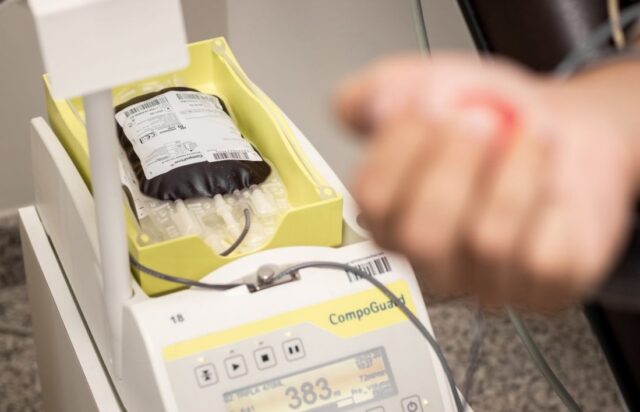
Donor plasma plays an essential role in medical treatments, saving lives every day in areas like trauma care, surgery, and managing serious illnesses.
Plasma transfusions significantly cut down mortality rates for patients facing severe burns or major trauma, highlighting the need for swift medical action.
Many real-world success stories showcase the profound impact of plasma donations, demonstrating how timely transfusions can drastically enhance patient outcomes.
Community engagement flourishes through plasma donations, turning these events into gatherings where support and solidarity are shared.
For donors, there are health and emotional perks; feelings of fulfillment and community acknowledgment create a rewarding cycle of generosity.
Becoming a plasma donor is a straightforward process that includes research, medical screening, and adhering to post-donation care for optimal recovery.
Donation centers strive to create a supportive atmosphere, ensuring that first-time donors find the plasma donation experience comfortable and accessible.
The Unmatched Role of Donor Plasma in Medical Treatments
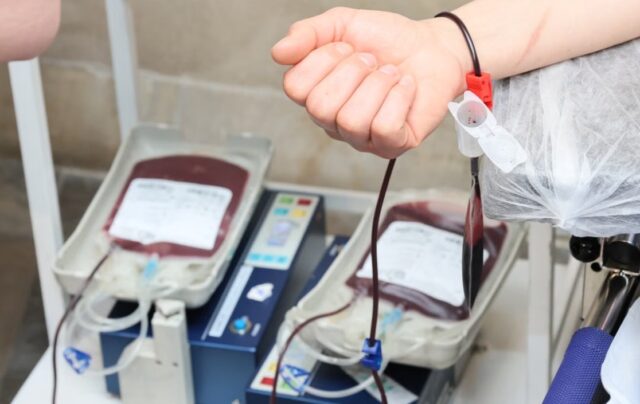
How Plasma Transfusions Save Lives Daily
The role of donor plasma in healthcare is truly significant. Each day, countless patients turn to plasma transfusions for survival. From trauma victims in emergency rooms to individuals undergoing surgeries, plasma is vital for stabilizing their health. The various components of plasma—proteins, antibodies, and clotting factors—are crucial in restoring essential bodily functions that may have been compromised by illness or injury. It’s striking to think: a single donation can supply enough life-saving plasma for multiple patients.
Medical professionals often express amazement at the sheer number of transformative therapies enabled by these critical donations. Blood banks efficiently process and distribute plasma, ensuring that medical teams have rapid access when every second counts. This quick response can sometimes mean the crucial difference between life and death.
Critical Conditions Treated with Donor Plasma
A variety of critical conditions are effectively treated with donor plasma, including:
- Coagulation Disorders: Such as hemophilia, in which the body fails to produce sufficient clotting factors.
- Burn Victims: Who require extensive fluid replacement to combat plasma loss from serious injuries.
- Septic Shock: Where immediate plasma infusion rejuvenates the circulatory system.
Research supports that giving donor plasma can lower mortality rates for patients suffering from severe burns or major trauma. Astoundingly, survivors who immediately receive plasma transfusions show higher survival rates than those who don’t. This underscores a key point: proactive healthcare can indeed save lives.
Transforming Patient Outcomes: Real-World Success Stories
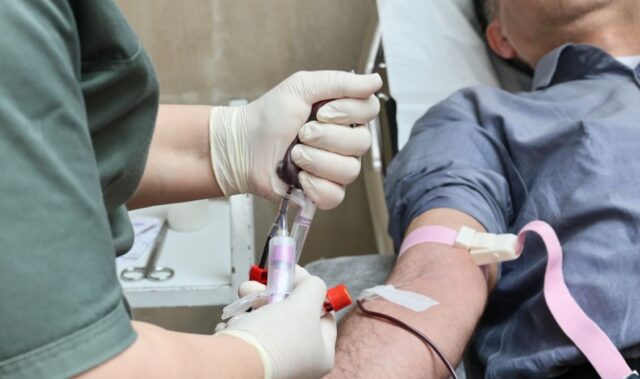
Case Studies: Lives Changed Through Plasma Donation
The impact of donor plasma is not just a theoretical concept; numerous stories exemplify its transformative power. Take, for example, a young accident victim whose life was preserved due to timely plasma transfusions. After receiving plasma tailored to their specific needs, the child’s prognosis improved remarkably. Medical staff often report feeling inspired by witnessing such incredible recoveries, knowing that plasma donors are directly involved in these life-saving efforts.
Moreover, these stories emphasize the importance of community involvement. Local plasma donation campaigns frequently highlight these experiences, underscoring themes of transformation and resilience. A single plasma donation can resonate throughout families and communities, making a significant difference.
From Recovery to Resilience: Patient Testimonials
“Donating plasma gave me a second chance at life.” – A grateful recipient expressing gratitude for donor contributions.
Personal testimonials like these resonate profoundly. They can act as catalysts for change, motivating others to consider donating. Recipients often speak about the overwhelming relief and hope that they experienced, thanks to the bravery of plasma donors. For instance, a woman named Sarah recounted her journey battling an autoimmune disease that required extensive plasma treatments. With each donation, her condition improved, ultimately leading to her full recovery. Such stories reinforce the belief that every single donation holds value.
It’s not merely about numeric figures; it’s about nurturing and saving lives. Each recovery narrative contributes uniquely to a tapestry of shared human experience, even among strangers who meet at donation clinics.
Why Donating Plasma is More Than Just an Act of Kindness
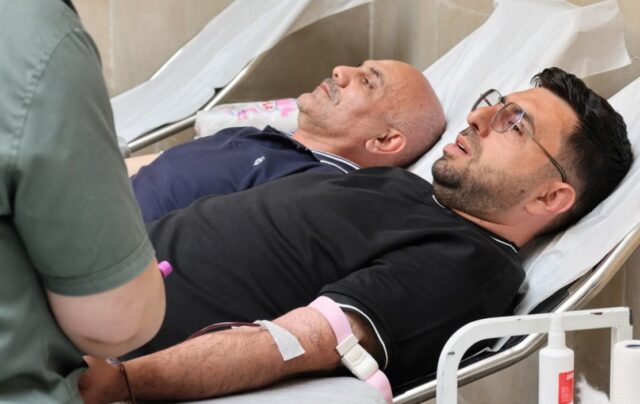
The Personal and Community Impact of Plasma Donation
What some might dismiss as a simple act of giving—donating plasma—reveals itself to be far more enriching. This experience opens the door to connecting with the community and understanding the tangible benefits passed from one person to another. It’s a rallying cry for a vital cause, bringing individuals together against health-related challenges.
Communities unite behind plasma drives, promoting a spirit of collaboration during crucial times. Such events frequently become social gatherings filled with shared stories, laughter, and heartfelt support. As donors engage with one another, they forge connections, knitting together a network of individuals united for a greater cause.
Long-Term Benefits for Donors and Recipients Alike
Not only do patients benefit from plasma donations; donors reap unexpected rewards as well. Here are some noteworthy advantages:
- Health Benefits: Regular plasma donation can enhance the donor’s overall health and encourage a more active lifestyle.
- Emotional Satisfaction: Helping others can impart a profound sense of purpose and fulfillment.
- Community Recognition: Many donors receive acknowledgment for their contributions, fostering pride and a sense of belonging.
Together, these elements create a vibrant cycle of kindness. Giving plasma doesn’t just sustain lives; it also enriches the donor’s life, forming a lasting connection with the broader community.
How to Get Involved: Your Journey to Becoming a Donor
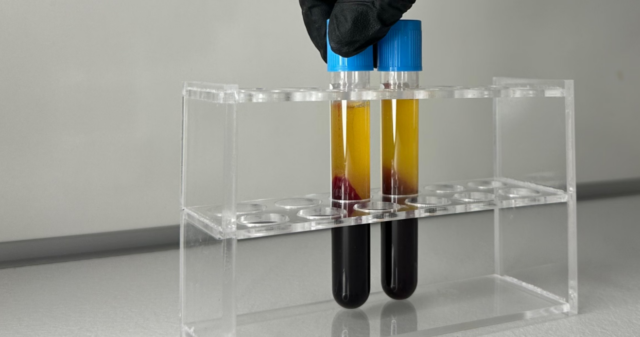
Step-by-Step Guide to Donating Plasma
Becoming a plasma donor is a straightforward commitment that yields immense impact. Here’s a guide to getting started:
- Research: Locate a nearby plasma donation center, such as ABO Plasma Collection Centers.
- Pre-Qualification: Fill out preliminary screening questionnaires to confirm eligibility, which includes health history and lifestyle considerations.
- Appointment Scheduling: Choose a suitable time that works for both the donor and the center.
- Donation Day: Get ready for the donation, follow all instructions, and stay hydrated.
- Post-Donation Care: Adhere to aftercare guidelines to ensure a smooth recovery.
This structured approach empowers prospective donors, allowing them to feel assured in their decision and confident they are part of something larger than themselves.
What to Expect on Donation Day: A Donor’s Perspective
Arriving at a donation center for the first time can inspire a blend of emotions—anything from excitement to a touch of anxiety. But here’s the reality: it’s a welcoming and supportive environment designed with donors’ comfort as a priority. Typically, professionals guide first-timers through the entire process. Grasping the procedure can alleviate any concerns.
After being seated, staff members will offer a brief overview of what to expect. Rest assured, everything is sterilized and organized with care. A factor many donors appreciate is the option to relax during this time. Whether it’s bringing a book, listening to music, or watching a movie, the process can be quite enjoyable.
“The moment I saw how simple and impactful the donation process was, my fears evaporated.” – A first-time donor reflecting on their experience.
Each donation session provides critical components for those in need, nurturing hope amid the challenges. Embarking on the plasma donation journey means joining countless others in a collective act of compassion that stirs communities.
FAQ
What are the health requirements for becoming a plasma donor?
To become a plasma donor, individuals generally must meet specific health criteria, which encompass age, weight, and overall well-being. Most centers require donors to be at least 18 years old and weigh over 110 pounds. A thorough pre-donation screening ensures that both donor and recipient safety is prioritized.
How often can someone donate plasma?
Experts suggest that donors can safely donate plasma every 28 days. This interval allows the body adequate time to replenish the lost plasma, maintaining donor health while continually contributing to life-saving treatments for patients in need.
Is donating plasma painful?
While some minor discomfort might occur, donating plasma is usually not painful. Professionals point out that the process is handled by skilled staff dedicated to making it as comfortable as possible. Many first-time donors report feeling more anxious than they actually find it painful during the procedure.
How does plasma donation differ from blood donation?
Plasma donation specifically focuses on collecting the liquid portion of blood, which comprises proteins, antibodies, and clotting factors. In contrast, blood donation collects whole blood, including both red and white blood cells. This distinct focus enables plasma donors to address patients’ specific needs more directly.
What measures are in place to ensure donor safety during the donation process?
Donation centers maintain strict safety protocols designed to protect donors, including sterile environments and comprehensive screening procedures. Each donation experience is overseen by trained healthcare professionals ready to manage any issues, ensuring that the health and safety of donors are always the top priority.
Can plasma donation impact my lifestyle positively?
Many donors discover that regularly donating plasma inspires them to adopt healthier lifestyles. This commitment can motivate donors to focus on better nutrition and participate in physical activities, leading to improved overall health.
What types of patients benefit most from plasma donations?
A variety of patients, including those with coagulation disorders, burn victims, and individuals experiencing septic shock, significantly benefit from plasma donations. Each donation can provide critical support, directly enhancing patients’ recovery and health outcomes.
Are there financial incentives for donating plasma?
Many plasma donation centers offer financial compensation to donors, acknowledging their time and commitment. This incentive can encourage participation and ultimately lead to an increased supply of plasma for patients in need while offering added benefits for donors.
Useful Resources
- American Red Cross– Offers guidance on blood and plasma donation alongside local donation opportunities.
- Donating Plasma– A valuable educational resource about the significance of plasma donation and how to become a donor.
- Plasma Alliance– Provides research and advocacy information connected with plasma donation and its medical applications.
- America’s Blood Centers– Supplies resources concerning blood and plasma donation, including local center locations and donation statistics.
- S. Food and Drug Administration (FDA)– Outlines regulations and guidelines pertinent to plasma donation and safety standards.
- World Health Organization (WHO)– Delivers global insights and research on blood and plasma donation practices.
- International Plasma Protein Exchange (IPPE)– Highlights the significance of plasma protein therapies and donor participation.
- National Heart, Lung, and Blood Institute– A source for information on blood health and donation, including the science behind transfusions.