Singapore’s urban model is shifting toward a new balance: city convenience surrounded by greenery.
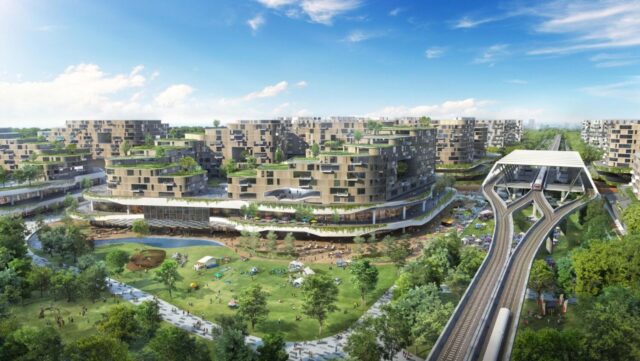
The latest residential developments are no longer concrete enclaves but carefully planned ecosystems that merge parks, water features, and sustainable architecture into the urban grid.
The answer to what defines modern living in Singapore today lies in this fusion, where proximity to the city’s pulse coexists with a restorative connection to nature.
A City That Grows Green
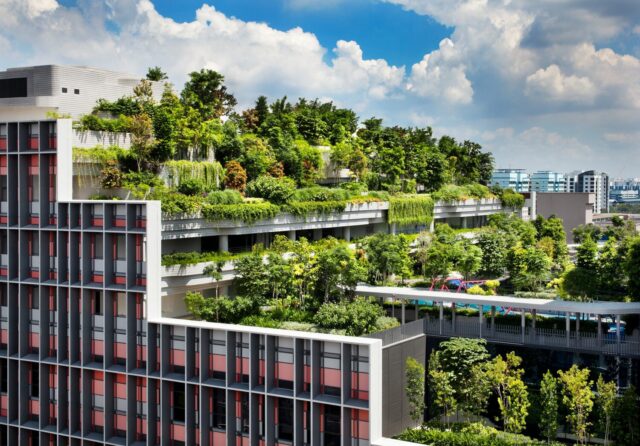
Over the past decade, Singapore’s development philosophy has evolved from “Garden City” to “City in a Garden.” This transformation means green elements are not decorative but structural.
Every new urban zone, from Tengah’s Forest Town to Punggol’s waterfront districts, is built around biodiversity corridors, rooftop gardens, and tree-lined pathways.
These features aren’t just aesthetic; they serve as temperature regulators and improve air quality in a dense tropical climate.
As urban density increases, developers are integrating biophilic design, bringing natural light, ventilation, and living plants into built environments. Residents are drawn to this approach because it reflects Singapore’s identity: an advanced city-state that hasn’t lost touch with its tropical roots.
Nature as Infrastructure
In emerging neighborhoods like Tengah and Lentor, greenery forms the backbone of planning. The Tengah “forest corridor,” for instance, connects the Western Catchment Area with the Central Nature Park Network, allowing wildlife to thrive alongside residential life.
Rain gardens and permeable pavements manage stormwater naturally, reducing strain on drainage systems and preventing urban flooding.
Such design thinking reflects a deeper philosophy: nature isn’t a background element, it’s infrastructure. Singapore’s Land Transport Authority and Housing & Development Board now require new residential areas to include active mobility paths, park connectors, and cooling green buffers. The result is a city that sustains both human comfort and ecological health.
Integrating Sustainability Into Urban Living
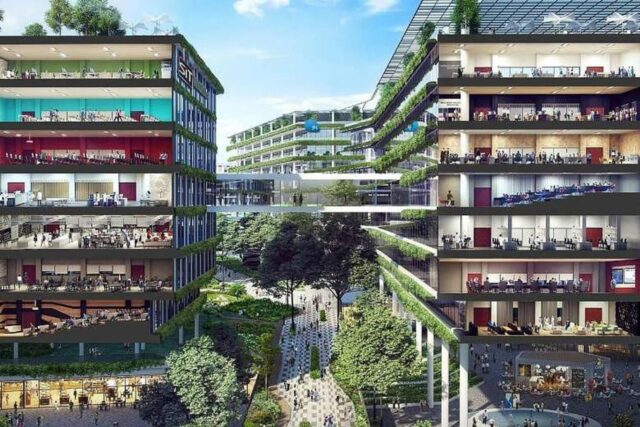
Energy-efficient systems and low-carbon materials have become standard in new housing projects. Solar-ready rooftops, cross-ventilated floor plans, and water recycling systems demonstrate how environmental priorities influence even small design details. Residents benefit through lower utility costs and a healthier living environment.
Projects like Pinery Residences exemplify this next phase of residential sustainability. Set in a precinct surrounded by established green zones, it offers close access to parks and nature trails without sacrificing urban convenience.
Its master plan emphasizes walkability, green courtyards, and natural ventilation, a model for how Singapore’s future residential clusters will function. The emphasis here isn’t luxury, but livability that respects ecological balance.
New Districts Redefining Urban Ecology
Emerging areas like Lentor, Tampines North, and Bidadari are shaping a new urban geography. These neighborhoods mix residential towers with retail, public transport nodes, and community gardens. Lentor, for example, is designed as a “15-minute neighborhood”, where residents can reach schools, parks, and MRT stations within a short walk or cycle.
Bidadari’s transformation from a historical cemetery site into a vibrant residential estate demonstrates Singapore’s long-term spatial foresight. The integration of Alkaff Lake and the Bidadari Greenway provides a cooling microclimate while preserving the memory of the area’s heritage landscape.
The Rise of Vertical Green Communities
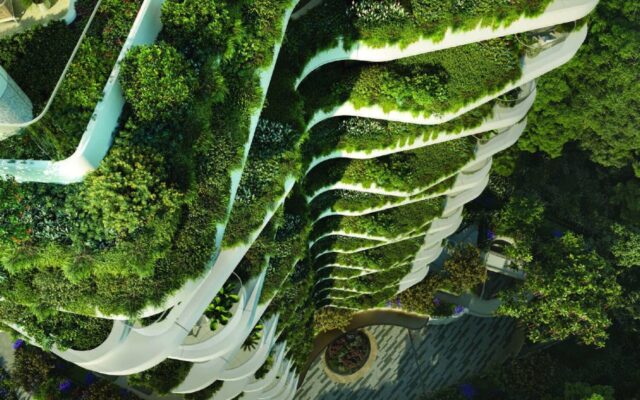
Singapore’s limited land area has encouraged vertical solutions that still preserve the sense of open space. Sky terraces, rooftop community gardens, and vertical forests turn high-rise living into a green experience.
This trend aligns with residents’ growing expectations for wellness-oriented living, natural light, cross-breezes, and visual greenery contribute to mental and physical well-being.
These developments also strengthen social interaction. Shared gardens and park connectors bring people out of their apartments and into communal areas, reintroducing neighborhood life to high-density settings.
The Role of Transit-Oriented Development
Connectivity remains at the heart of Singapore’s residential evolution. Each new zone is planned around MRT lines and bus interchanges to reduce car dependency. Transit-oriented development ensures residents can move seamlessly across the island while minimizing emissions. Urban planners also emphasize “last-mile” connectivity, safe pedestrian routes, and sheltered pathways that link transit nodes to homes.
The combination of efficient transport and green living makes these districts highly attractive to working professionals and families who want both convenience and environmental quality.
Smart Living Meets Sustainability
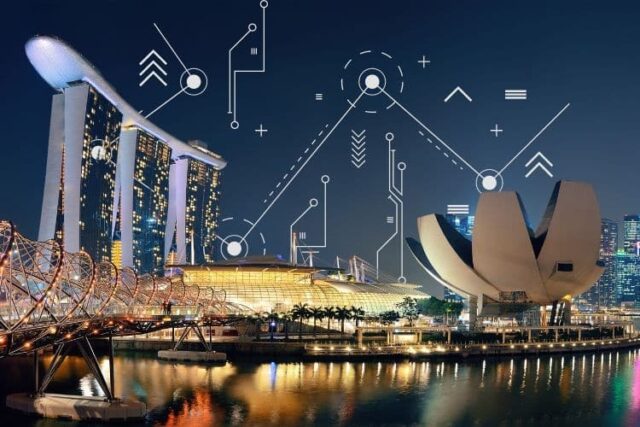
Technology complements ecological design in many new residential projects. Smart lighting, energy monitoring systems, and app-based building management tools help residents track consumption and optimize resource use. Singapore’s Smart Nation initiative encourages developers to embed data-driven infrastructure from the ground up.
For example, smart waste collection and water management systems now appear in newer estates, ensuring cleaner surroundings and reduced maintenance costs. This integration of digital and environmental design supports long-term resilience in an era of climate and economic uncertainty.
New Frontiers in Urban Design
In the coming years, the boundary between built and natural environments in Singapore will blur even further. Integrated developments will combine residential, retail, and recreational spaces within lush ecological frameworks. Architectural design will increasingly mimic organic forms, using materials that age naturally and complement surrounding landscapes.
Projects such as Narra Residences represent this trend, merging sleek modern living with ecological awareness. Located in a prime area with immediate access to urban amenities, it also embraces sustainability through energy-efficient architecture and landscape integration. The balance between proximity and tranquility positions such developments as the blueprint for urban living in tropical cities.
The Social Dimension of Green Urbanism
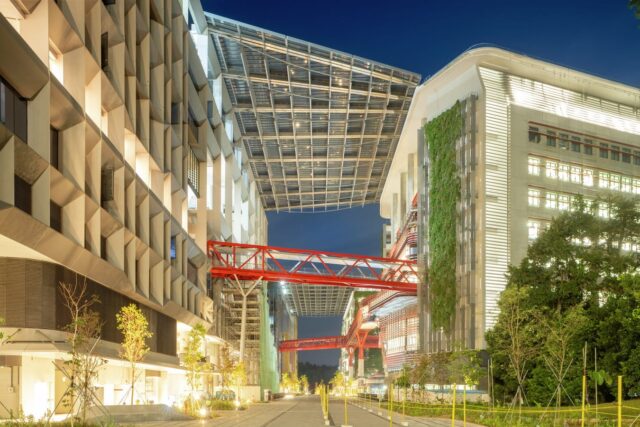
Beyond aesthetics and comfort, Singapore’s emerging residential zones also foster inclusivity and community. The government’s emphasis on mixed-income housing and accessible public spaces ensures that sustainability is not limited to luxury developments. Parks, playgrounds, and community centers are open to all residents, reinforcing the city’s social cohesion.
These shared spaces serve as meeting points that bridge generations and backgrounds, encouraging a culture of care and environmental responsibility. Urban design, in this sense, becomes a social project as much as a physical one.
The Path Ahead
Singapore’s model demonstrates how cities can evolve without compromising livability. The lessons extend beyond architecture: they show how policy, design, and ecology can converge to create enduring value. As urban populations continue to grow, the city-state’s approach offers a replicable framework for sustainable development across Asia.
In practical terms, the city’s future will rely on three principles already evident in its newest neighborhoods:
| Principle | Description | Example |
| Integration | Seamless blending of green and built spaces | Tengah Forest Town, Bidadari Greenway |
| Efficiency | Smart design and transport reduce waste and emissions | Smart Nation housing integration |
| Inclusivity | Accessible public amenities and mixed housing | Tampines North community parks |
Conclusion
Urban living in Singapore no longer stands apart from nature; it’s defined by it. The emerging residential zones reflect a national ethos that values balance: between technology and ecology, density and openness, progress and preservation. In these developments, the city’s identity finds its most mature form, compact, green, and deeply human.